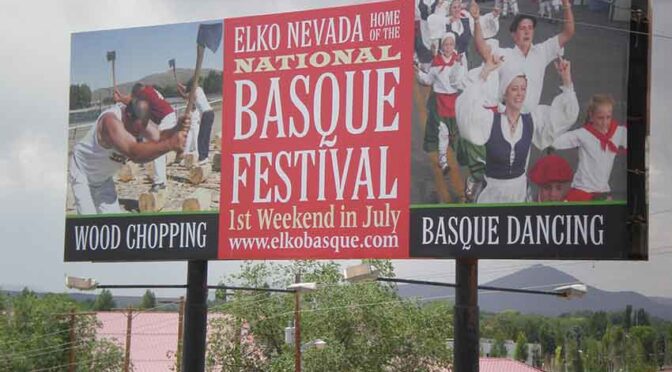
The season of Basque festivals in the western United States is upon us. All across the west, Basque clubs and communities hold celebrations of Basque culture and history, recognizing their ancestors who braved unknown lands to build a better life for themselves. Elko, Nevada, hosts one of the largest Basque festivals in the country, second […]
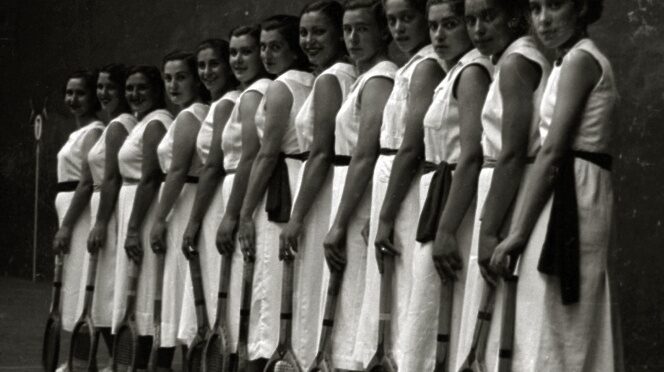
While women have played sport for as long as humans have existed, it is only recently that that they have had the opportunity to play professionally, to make sport a career. In the early 1900s, women, primarily from the Basque Country, pioneered a professional league of racket ball that at one time dominated the professional […]
A while ago, I wrote about Jon Bilbao and his pioneering work Amerikanuak. Richard Etulain has just published Basques of the American West, which brings new perspectives to the Basques that helped shape the history of the western United States. It also explores newer topics such as the history of Basques in places such as […]
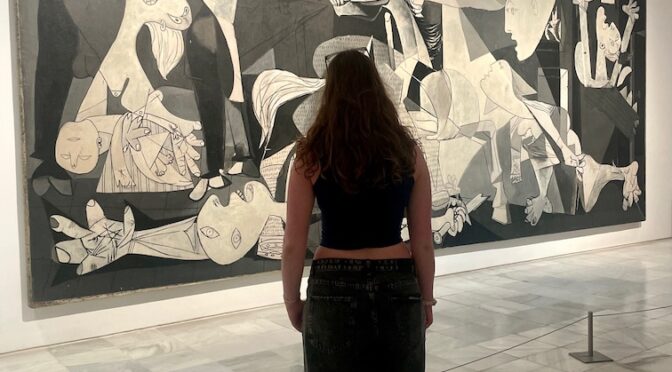
Today marks the 89th anniversary of the bombing of Gernika. Last month, in March, we made a quick trip to the Basque Country over spring break to visit my dad’s family and made of point of seeing Picasso’s Guernica. As we near the 90th anniversary of the bombing, the painting is once again in the […]
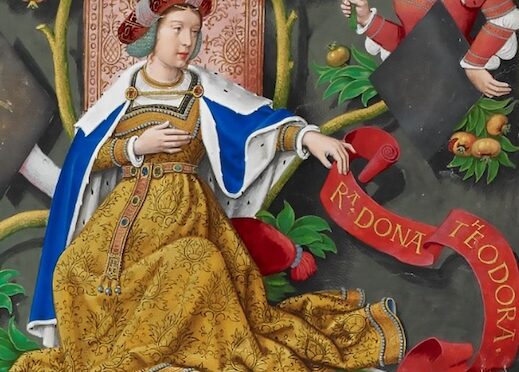
The medieval history of the Basque Country is both fascinating and so convoluted. There are so many marriages back and forth between different families as royals tried to consolidate and expand power that it becomes dizzying. A great example is Tota, or Toda, Aznar of Pamplona. Her skill as a diplomat and in establishing power […]
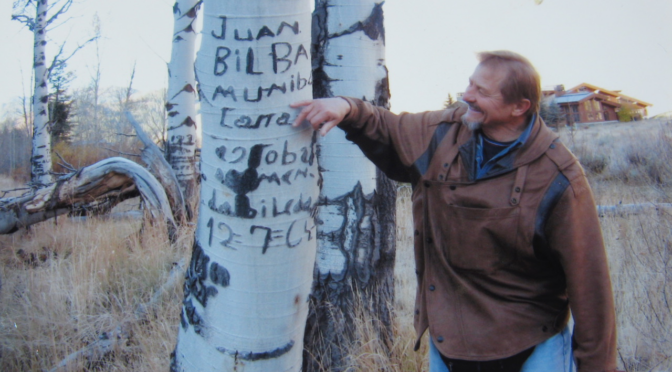
For centuries, the history of the Basques has been written by non-Basques – we have so little historical documentation written directly in Euskara or even by Basque themselves. Thus, when we find any hint of Basque history written by Basques, we must examine it to the fullest. The unassuming carvings left by Basque sheepherders in […]
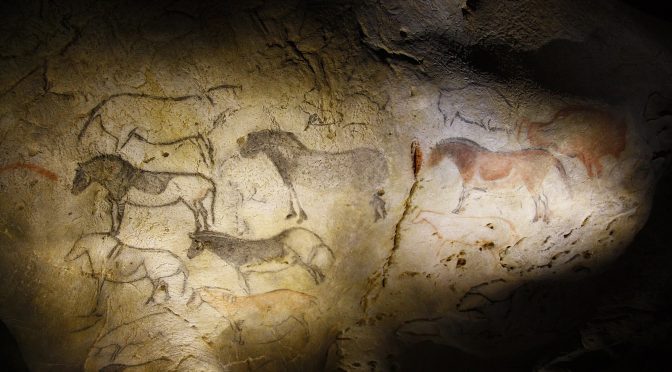
Because of the mountainous landscape of the Basque Country, caves play an important role in the historical and mythological context of the culture. The goddess Mari, for example, was said to inhabit various caves in the rugged mountains. But so did people, the ancient people who lived in the Basque Country and left their mark […]
Situated in the heart of downtown Boise, the Basque Museum and Cultural Center is a centerpiece of the Basque community in Idaho. With a variety of exhibits highlighting Basque history in Idaho and the American West, they provide a glimpse into the lives of the men and women who helped shape Basque identity in the […]
The discovery of the the Hand of Irulegi showed how much history there is hidden in the mountains of Euskal Herria. Another such discovery was recently announced, this time revealing tantalizing hints about the beliefs of the ancient Basques. Though there is still so much more to learn, each discovery teaches us just a little […]
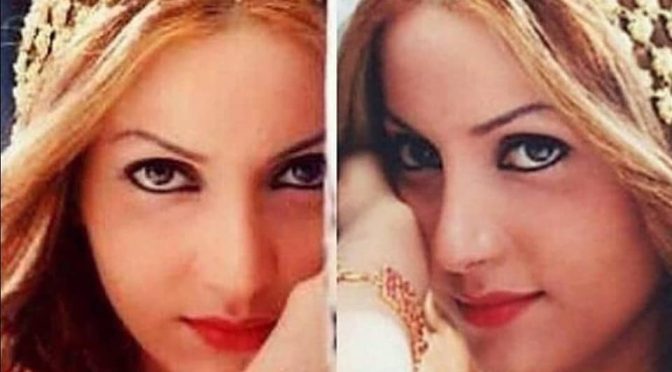
I’ve posted a few times about the intertwined history of the Basque Country and the neighboring Muslim empire during the Muslim occupation of Iberia. The more I look, the more intriguing bits of history I find. Not only was there a close relationship between the two kingdoms/empires, but at least a few Basques became important […]