

Happy New Year! Urte Berri On! Around the world, the new year is ushered in with various customs. In the Basque Country, there has been a tradition associating the new year with water, particularly “new water,” water that represents a fresh start, a new beginning. While this tradition has disappeared from much of Euskal Herria, there are still a few places where it continues.
- During his studies, José Antonio de San Sebastián, otherwise known as Father Donostia, recorded several Christmas carols from the local towns during his breaks. He found a belief in Lekaroz, a small town in Nafarroa, that on the day of Urtezar (New Year’s Eve, December 31st), at midnight, the waters of the river Urandia turned into wine. The local girls would go to fetch the water. As they then made their rounds of the village, if they found the doors of any house open, they would throw the water on those who were in bed, on members of their family, and on the young people.
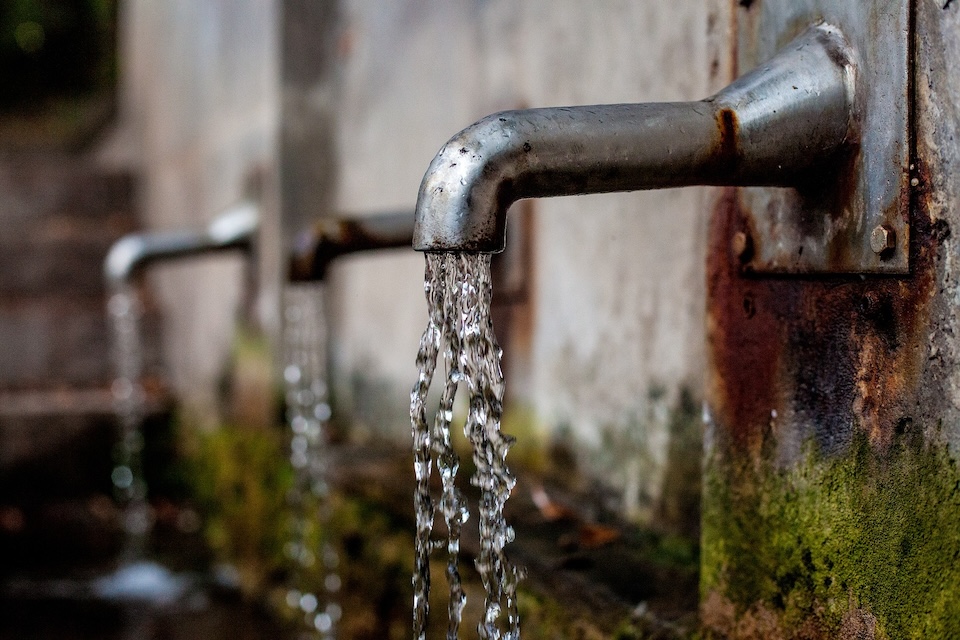
- While traditions associated with water and the new year have largely been lost in the Basque Country, there are still places where it remains. In Urdiain, at midnight of New Year’s Eve, the young men of the town, carry a jug of water, ur berria, and sing a traditional song of offering. The town authorities taste the water and thus the new year officially begins in Urdiáin.
- One of those ritual songs is “Urtararats” or “New Water.” These songs typically request “osasuna eta pakea” – health and peace. In Elizondo, as they collect the first waters that flow from the fountains after midnight, they sing: “Urte berri, berri / Zer dakarrazu berri / Uraren gana / Bakia ta osasuna / Urtes, Urtes!” – “New year, new year / What do you bring new year / Peace and health / New year, new year!” This new water of the new year was thought to have curative virtues.
- At least one researcher speculated that the idea of “new water” originates from the ice age. The hypothesis is that it was about that time of year that ice began to melt and water began to flow again. This marked the beginning of the new year, with the new source of water.
A full list of all of Buber’s Basque Facts of the Week can be found in the Archive.
Primary sources: La Navidad del Padre Donostia en Baztan by Lander Santamaria, Noticias de Navarra; Larrinaga, Josu. Mitología. Auñamendi Encyclopedia, 2025. Available at: https://aunamendi.eusko-ikaskuntza.eus/en/mitologia/ar-96329/; Medicina y Música popular Vasca (Medicine and Basque Folk Music) by Angel Goicoetxea Marcaida, Munibe 42, 441 (1990)
Share this / Partekatu hau:

Discover more from Buber's Basque Page
Subscribe to get the latest posts sent to your email.