Aita biltzaileari, seme hondatzaile.
A thrifty father begets a squandering son.

These proverbs were collected by Jon Aske. For the full list, along with the origin and interpretation of each proverb, click this link.

Aita biltzaileari, seme hondatzaile.
A thrifty father begets a squandering son.

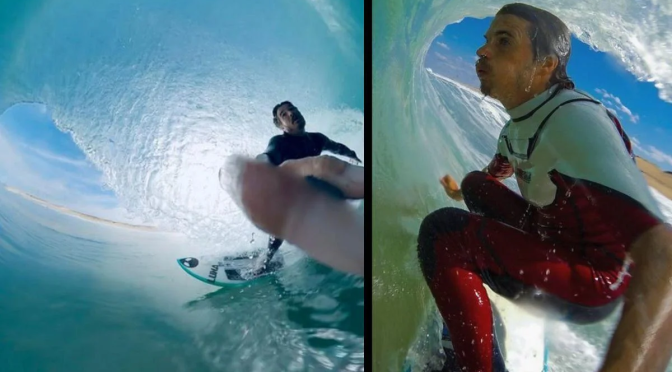
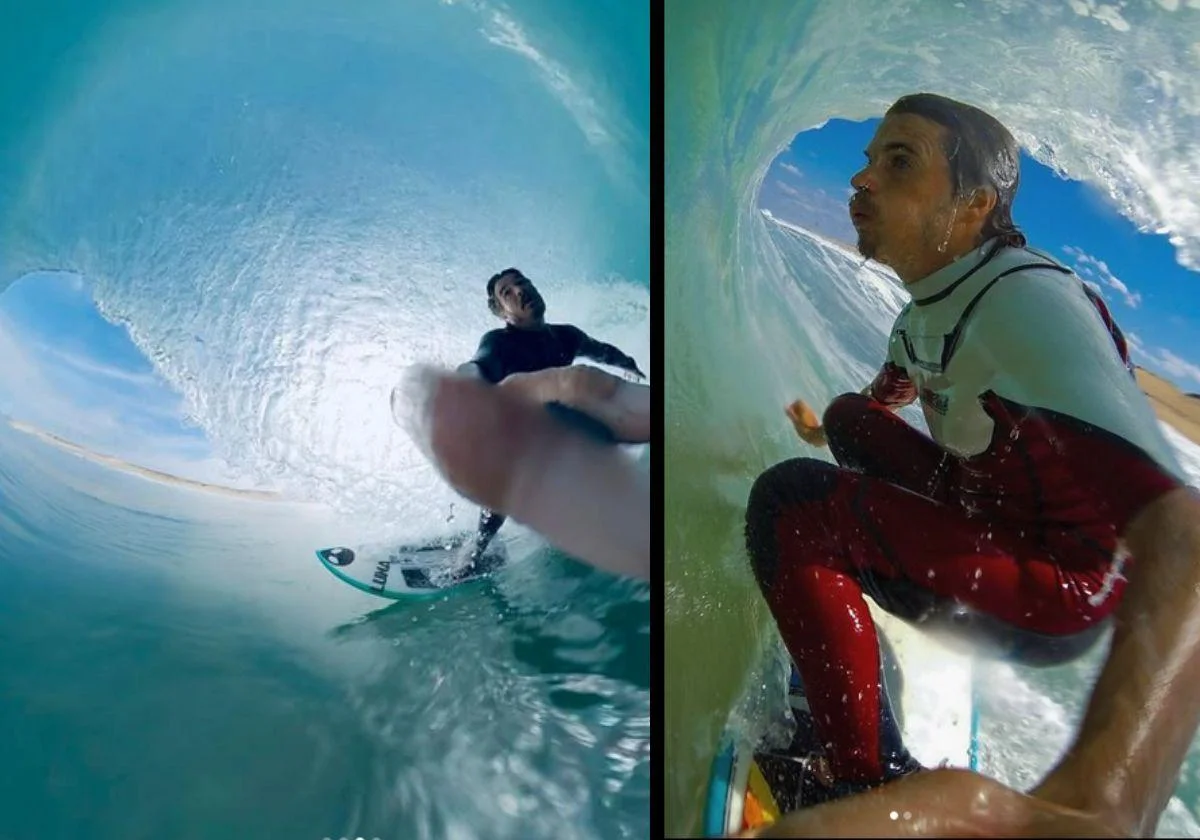
While surfing originated in Polynesia and Hawaii, many Basques have distinguished themselves in the sport. Indeed, the Basque Country has some prime surfing spots, including the Bizkaian coastal town of Mundaka. Hugues Oyarzabal became one of the pioneers of the sport, surfing some of the biggest waves in the world while filming himself riding down the center of a barrel wave long before GoPro was a thing.
A full list of all of Buber’s Basque Facts of the Week can be found in the Archive.
Primary sources: Hugues Oyarzabal, Surfing Star Who Rode With a Camera, Dies at 39, The New York Times; Fallece Hugues Oyarzabal, surfista pionero en usar las GoPros y en olas gigantes, El Diario Vasco


Agindua zorra, esan ohi da.
A promise is a debt, it’s always been said.
.

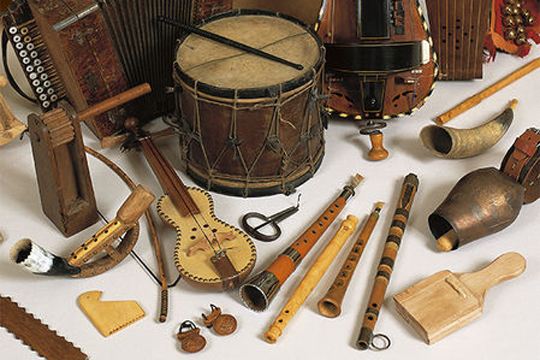
Music and singing is such an important part of Basque culture. No Basque festival or party is complete without an accordion or a txistu. And, like all cultures, the Basques have created some of their own unique musical instruments while incorporating others like the accordion that has since become a staple of Basque folk music. And others, like the txalaparta, almost disappeared only to see a revival in recent years. Yet others have been lost to time.
A full list of all of Buber’s Basque Facts of the Week can be found in the Archive.
Primary sources: Please see the links in the main text.

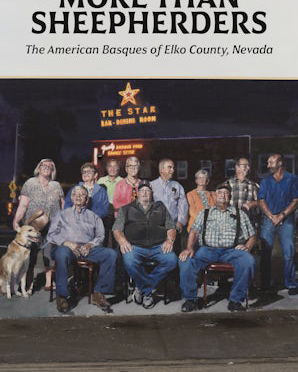
I recently interviewed Joxe Mallea-Olaetxe about his research studying the Basques of the American West, particularly the arboglyphs herders left on the aspens in the mountains. He is out with a new book focusing on the Basques of Nevada, specifically Elko. With assistance from Jess Lopategui, this book explores the role Basque immigrants had in the area, from the first to arrive in the 1870s to those that continue to define the region.
More Than Sheepherders: The American Basques of Elko County, Nevada
Joxe K. Mallea-Olaetxe with the assistance of Jess Lopategui
(from the University of Nevada Press)
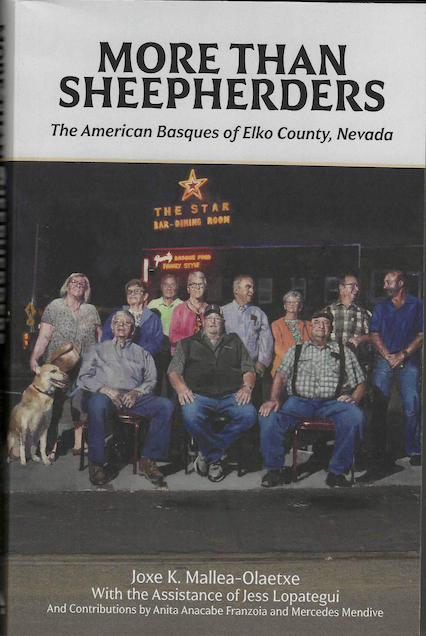
In the remote community of Elko, Nevada, the Altube brothers and the Garats started fabled ranches in the early 1870s. These hardy citizens created the foundation of a community that still exists today, rooted in the traditions and cultures of American Basque families. Joxe K. Mallea-Olaetxe presents a modern study focused on the post-1970s, when the retired Basque sheepherders and their families became the dominant Americanized minority in the area. During this time, the Fourth of July National Basque Festival began to attract thousands of visitors from as far away as Europe to the small Nevada community and brought to light the vibrant customs of these Nevadans.
This book explores the American Basques’ present-day place in the West, bolstered by the collaborative efforts of four contributors, including two women—all who have been residents of Elko. The writers offer firsthand knowledge of their heritage through numerous vignettes, and these deeply personal perspectives will entice readers into Mallea-Olaetxe’s singular and entertaining historical account.
“Many Basque American communities are in need of a local history. For Elko, Joxe Mallea-Olaetxe fills this gap. He provides an in-depth history that focuses on early Basque immigrants in the sheep industry, while also highlighting their later work in restaurants, mining, and construction. The personal vignettes he includes allow the reader to meet the locals. Mallea-Olaetxe’s account details the experience of the Elko Basque community and provides a case study for deeper understanding of the Basque American Diaspora.”
—John Bieter, professor of history, Boise State University,
author of An Enduring Legacy: The Story of Basques in Idaho
AUTHOR/EDITOR BIOGRAPHY
Joxe K. Mallea-Olaetxe arrived in the United States from the Basque Country in the mid-1960s. He earned his PhD from the University of Nevada, Reno, in 1988. Mallea-Olaetxe is the author of Speaking Through the Aspens: Basque Tree Carvings in California and Nevada. He taught history and language classes at both UNR and Truckee Meadows Community College.
Jess Lopategui immigrated to Elko in 1957 and herded sheep from 1958 to 1965. He served as president of the Basque Club and, with his wife Denise and father-in-law Frank Arregui, was co-owner of the Elko Blacksmith Shop. After his retirement in 2006, he became more involved in researching the history of the Basques in Elko County.


Aditzaile onari, hitz gutxi.
A good listener needs few words.
.

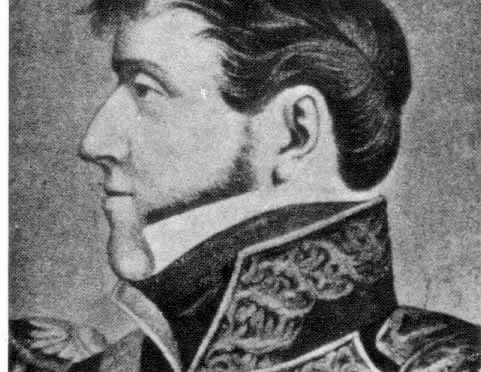
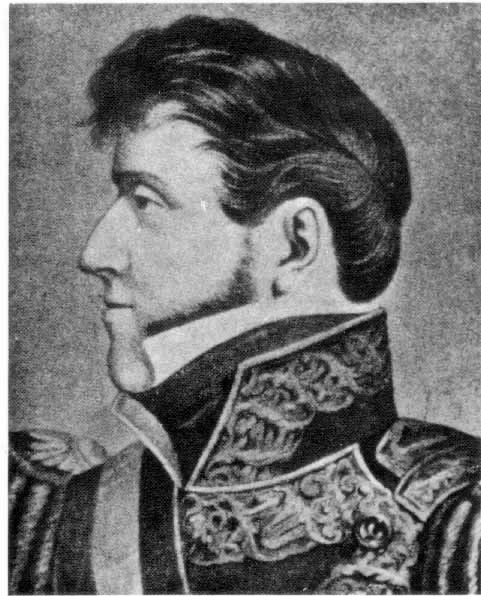
Growing up in Idaho, I of course learned about the Basque presence in the western United States and their role as sheepherders. But I didn’t realize the impact that Basques had had across other parts of the Americas. This is particularly true in Mexico, where as I’ve written Basques founded important cities. Basques continued to play an important part of the history of Mexico, and a prime example is the first Emperor of Mexico.
A full list of all of Buber’s Basque Facts of the Week can be found in the Archive.
Primary sources: Agustín de Iturbide, Wikipedia; Asarta Epenza, Urbano. Iturbide Aramburu, Agustín. Auñamendi Encyclopedia. Available at: https://aunamendi.eusko-ikaskuntza.eus/en/iturbide-aramburu-agustin/ar-71008/

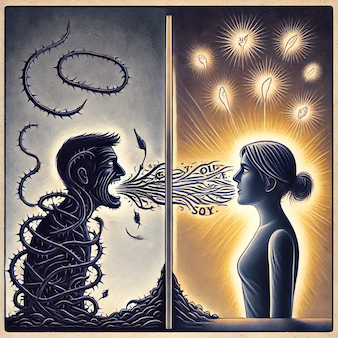
Aditu nahi ez duenak, ez du esan behar.
He who doesn’t want to hear unpleasant things shouldn’t say unpleasant things.
.


It seems like a simple question: what is the Basque word for God? But, like almost everything Basque, there is a lot of nuance in this simple question. The modern words for god and God in Basque are not typical Basque words. Does that mean they were borrowed? Or created by a priest only semi-literate in Basque? Or do they come from a more ancient source, the pre-Christian religion of the Basques? We’ll likely never know for sure, but this “simple” word carries a lot of history with it.

A full list of all of Buber’s Basque Facts of the Week can be found in the Archive.
Primary sources: Some Important Basque Words (And a Bit of Culture) by Larry Trask, Buber’s Basque Page


Did you know that there are multiple ways you can follow Buber’s Basque Page?
Never miss a post!

