Basque Fact of the Week: The Uberuagas of Boise

One of the best memories I will carry forward from Jaialdi was meeting so much extended family. Boise is full of Uberuagas, but as a kid, I barely knew they all even existed. For reasons I’ll never know, my dad never really interacted with them – perhaps they were too distant of family and he simply didn’t really know them at all. Regardless, it has been great getting to know some of them better and figuring out how we are all connected. It all starts with three brothers…

I’ve been slowly working on my family tree. If you are a Uberuaga, I’m keen on figuring out how we might be related.
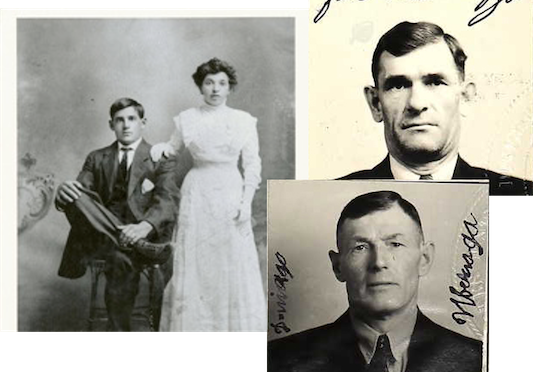
Juan José (John) with his wife Juana, José (Joe), and Domingo Uberuaga. Photos from Basques in USA: Amerikanuak.
  • Pedro José Uberuaga Gerrikagoitia, born in 1833 in Gerrikaitz, Bizkaia, and Maria Ygnacia Kareaga-Telleria Aranburu, born in 1851 in Aulesti, Bizkaia, had 6 children, which they raised in their baserri in Gerrikaitz (Munitibar): Ana Josefa, Pedro José Bernabe, Juan José, José, Domingo, and Venancia. Pedro José Bernabe was my great-grandfather. Three of these siblings – Juan José, José, and Domingo – immigrated to Idaho, where they became fixtures in the Boise Basque community.
  • Juan José “John” was born in 1884 and died in 1960. He came to the US in 1905. In 1910, he married Juana Ygnacia Arriola Ymas (or Imaz), a native of Mutriku, Gipuzkoa. Together, they had 8 children. They ran the Arriola/Saracondi boarding house on 6th Street beginning in 1911, though earlier John’s brother José had been listed as the owner. Saracondi was John’s nickname, supposedly inspired by the name of the baserri of John’s parents, though I can’t confirm such a baserri existed – the baserri that my dad and his grandfather were from was Goikoetxebarri. After they left the boarding house, John worked at McGuffin’s Feed and Fuel before working as custodian at the Statehouse. John and Juana were the parents of Jay Uberuaga Hormaechea, who established Basque dancing in Boise.
  • José “Joe” was born a few years later in 1887. He died in 1954. He immigrated to the US in 1907, arriving in New York aboard the ship La Lorraine. In 1913, he married Hermenigilda Bernedo Urionaguena, who was from Bolibar, Bizkaia. They had 5 children. Together, they ran what is now the Cyrus Jacobs-Uberuaga boarding house in Boise from 1917 to 1959.
  • Domingo was the youngest of the three, born in 1888. He also died the earliest in 1952. The last to immigrate, he arrived in New York aboard the Oceanic in 1910. He married Damiana Erquiga Aboitiz, of Ispaster, Bizkaia, in 1913. In 1920 he began working for the Boise Payette Lumber company, where he worked until his death. Julia Uberuaga, for whom an island off of Antarctica is named, is Domingo and Damiana’s granddaughter.
  • While these three brothers immigrated to the United States, my great-grandfather, Pedro José Bernabe, stayed in the Basque Country. This pattern repeated itself a generation later with Pedro’s own sons, with three coming to the United States – Juan José, Juan, and Santiago – and the eldest son – Teodoro – staying behind. In fact, as my cousin Jon told me, when Juan was considering coming to the US, his dad told him “Don’t go. I also had three brothers that went and I hardly know anything about them and I’ve never seen them again.”
  • Other Uberuagas also left the Basque Country for other parts, not only the United States but also Australia, Argentina, and Chile, amongst other countries.

A full list of all of Buber’s Basque Facts of the Week can be found in the Archive.

Primary sources: Basque Boise Walking Tour; Basques in USA: Amerikanuak; Estornés Lasa, Mariano; Totoricagüena Egurrola, Gloria Pilar. Estados Unidos de América. Oeste americano. Auñamendi Encyclopedia, 2025. Available at: https://aunamendi.eusko-ikaskuntza.eus/en/estados-unidos-de-america-oeste-americano/ar-50446/
Basque Fact of the Week: Lehendakari Imanol Pradales Gil

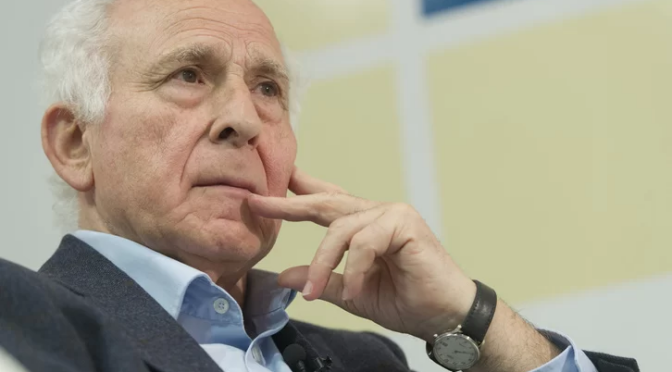
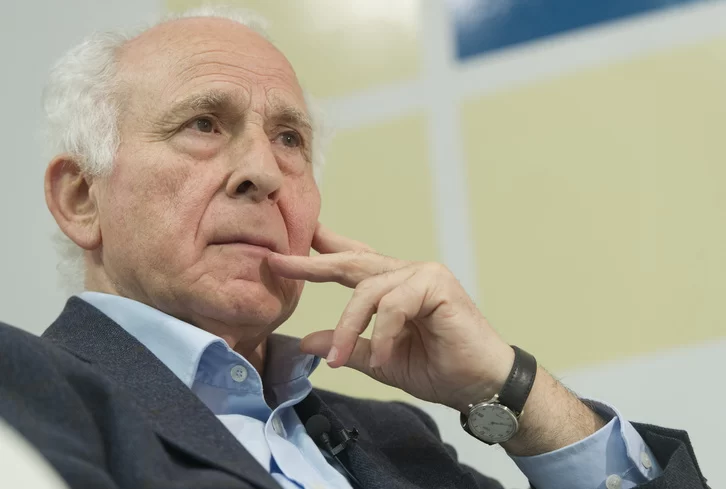
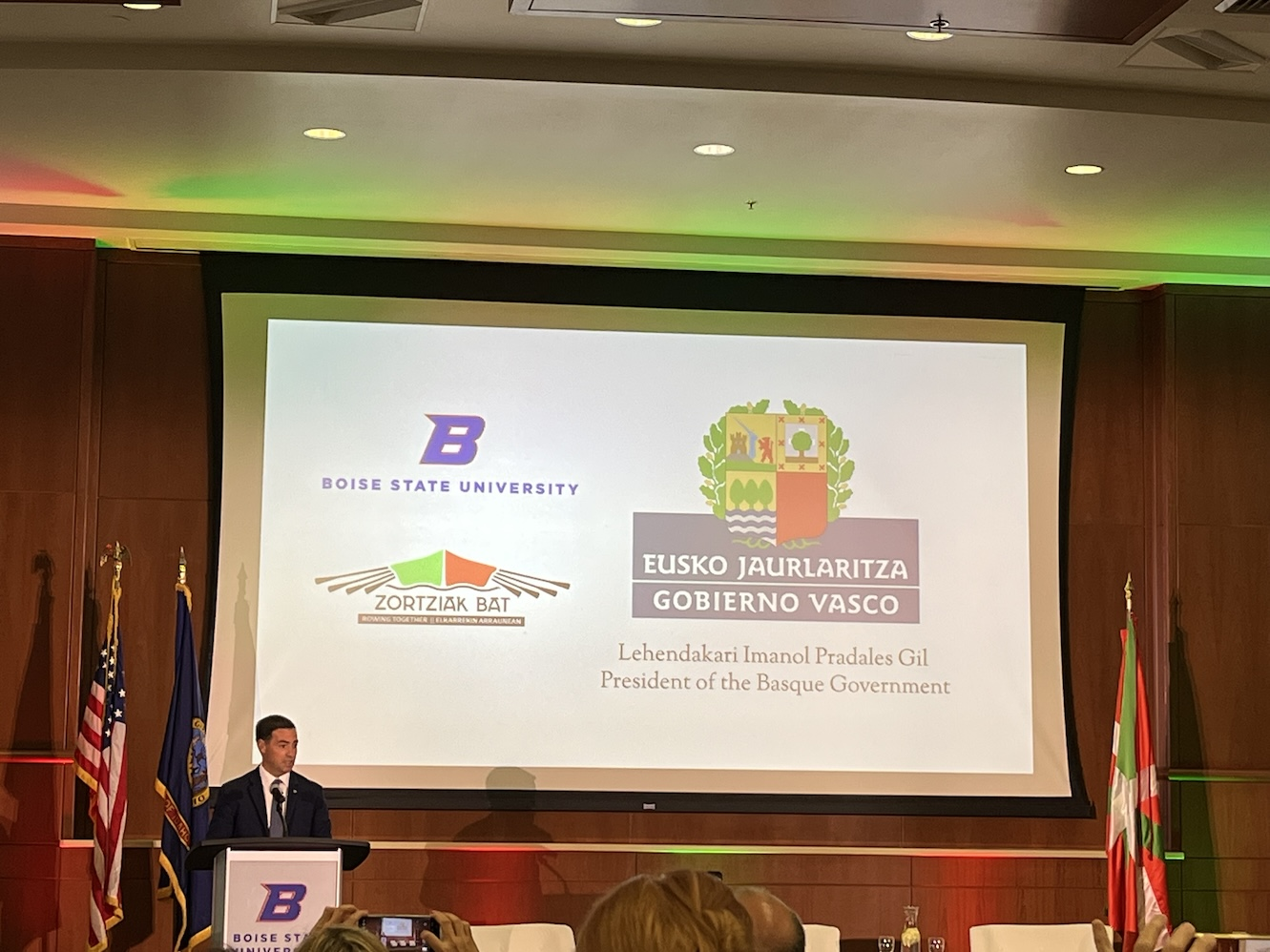
During the Zortziak Bat symposium, the current Lehendakari – or President – of the Basque Country (specifically the Basque Autonomous Community), Imanol Pradales Gil, gave a speech which emphasized not only the shared connections between the Basque Country and the Basque diaspora in the United States, but went further to call on our shared values to strengthen those connections. He was seen all over Boise, participating in numerous activities as part of Jaialdi. He was eloquent, intelligent, charismatic and made a strong case for stronger ties between the diaspora and the Basque Country.

Lehendakari Imanol Pradales Gil giving a speech at the Zortziak Bat symposium during Jaialdi week in Boise.
  • Imanol Pradales Gil was born in Santurtzi, Bizkaia, on April 25, 1975. While both of his parents were born in the Basque Country, they do not have Basque ancestry – Pradales Gil has discussed how his eight surnames are all Castilian. In fact, his ancestors immigrated to the Basque Country from other parts of Spain in the early 1900s. However, both of his parents became involved in Basque national politics, joining the Basque Nationalist Party shortly after he was born.
  • Pradales Gil didn’t learn Euskara at home, but attended ikastolas as a child and learned the language fluently. As part of his government, he has advocated for the regular, daily use of Euskara in life. To this end, he has announced the Congress for the Revitalization of the Use of Basque, to start in 2027.
  • Before entering politics in 2007, he was a professor at the University of Deusto. He had earned his doctorate in Sociology and Political Science in 2004. In his speech in Boise, he emphasized his academic roots and the importance of education.
  • His first foray into politics was an essay that Iñigo Urkullu, soon-to-be Lehendakari and a former professor of Pradales Gil, asked him to write on employment and competitiveness. In 2007, Pradales Gil formally entered politics by becoming CEO of what would become Bizkaia Talent.
  • From 2011 to 2024, Pradales Gil served in the Foral Council of Bizkaia, holding various unelected positions. In 2023, he was selected as the Basque Nationalist Party’s candidate for Lehendakari to replace incumbent Lehendakari Iñigo Urkullu, his former professor and mentor. While is party received the most votes in the election, they got an equal number of seats as EH Bildu. A coalition between the PNV (the Basque Nationalist Party) and PSE–EE, the Spanish Socialist party, led to Pradales Gil being sworn in as Lehendakari on June 24, 2024.
  • Building on his past experience, a key aspect of Pradales Gil’s government is the recruitment and retention of talent. Several initiatives to attract and retain new and existing talent to the Basque Country have been proposed, along with the creation of a network of professionals.

A full list of all of Buber’s Basque Facts of the Week can be found in the Archive.

Primary sources: Imanol Pradales, Wikipedia

Basque Fact of the Week: The Rock Band Gatibu

One of the best parts of Jaialdi was the music. There were groups wandering the Basque block playing music, more organized acts on the main stage in the middle of the street, and the concert in the arena. Everywhere, people were dancing and singing. One of the bands that played both on the street stage and later in the concert in the arena was Gatibu. I got to see them once when I went to Euskadi in 2006 – they played the fiesta in Aulesti. It was great to rediscover them – their music was infectious and easy to dance to. Highly recommended!

Gatibu playing at the Idaho Central Arena during Jaialdi 2025. Photo by Blas Uberuaga.
  • Gatibu, which means captive in Basque, hails from Gernika-Lumo. They formed in 2000 with Alex Sardui, the front man, and guitarist Haimar Arejita as the original nucleus of the band. The two had collaborated before on a folk album and that collaboration led to Gatibu. They completed the quartet with Mikel Caballero (bass) and Gaizka Salazar on drums. Caballero died in 2024, a few years after leaving Gatibu.
  • A fun side note – Haimar’s mother is from Munitibar, the same town my dad was from (thanks Pedro for that piece of trivia).
  • They released their first album in 2002. Entitled Zoramena, it received critical acclaim and was a huge hit in the Basque Country. One of the songs on Zoramena, “Musturrek Sartunde,” received an award for best song of the year.
  • Over the years, Gatibu has released 10 albums and many of their songs have become classics. In Boise, everyone around us was singing along to their most popular songs, including “Bang-bang txik-txiki bang-bang,”, “Zeu, zeu, zeu!,” “Pailazo,” and “Eztanda egin arte.”
  • Gatibu is known for singing in the Bizkaian dialect, particularly the Busturialdean variant. Describing their style, their website says “Their musical style is basically colorful rock sung in the Biscayan dialect, full of melody and lively. A broad music that has escaped from artistic complexes, which is created by soaking the power of rock with the melody of pop, plus friendship and everyday themes centered on emotions or moods. But although the trunk is rock and pop, it also waters the leaves that the branches that emerge from it give; folk, country and some danceable disco/funky rhythms also adhere naturally throughout the repertoire.”
  • As stated on their website, “Gatibu looks at the world through the lens of music, addresses music through the lens of rock and roll, looks to the future through the lens of culture, sings to its compatriots through the lens of Basque. What worries us? What do we want to change? Well, let’s go, let’s move, let’s change, the revolution must be joyful, let joy cause tears. Think, dance, feel, dance, move, dance, don’t stand still, free yourself from fear.”
  • Gatibu is also known for their extensive touring. In 2009, in support of their album Laino Guztien Gainetik, Sasi Guztien Azpitik, they performed 50 concerts all over the Basque Country. In 2012, they performed for the first time outside of the Basque Country, in Barcelona and Ireland.
  • This year marks 25 years since Gatibu first got together. It is also the year of their farewell tour. They will give their last performance on December 13, 2025, in Barakaldo.

A full list of all of Buber’s Basque Facts of the Week can be found in the Archive.

Primary sources: Gatibuk 2025eko abenduan emango dio amaiera 25 urteko ibilbideari, kontzertu erraldoi batekin by Iñigo Astiz, Berria; Gatibu; Gatibu, Wikipedia

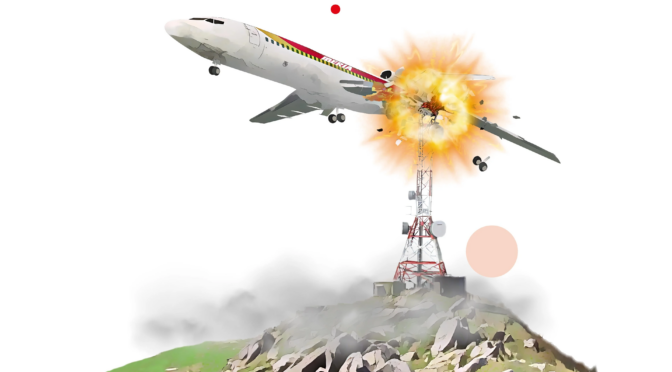
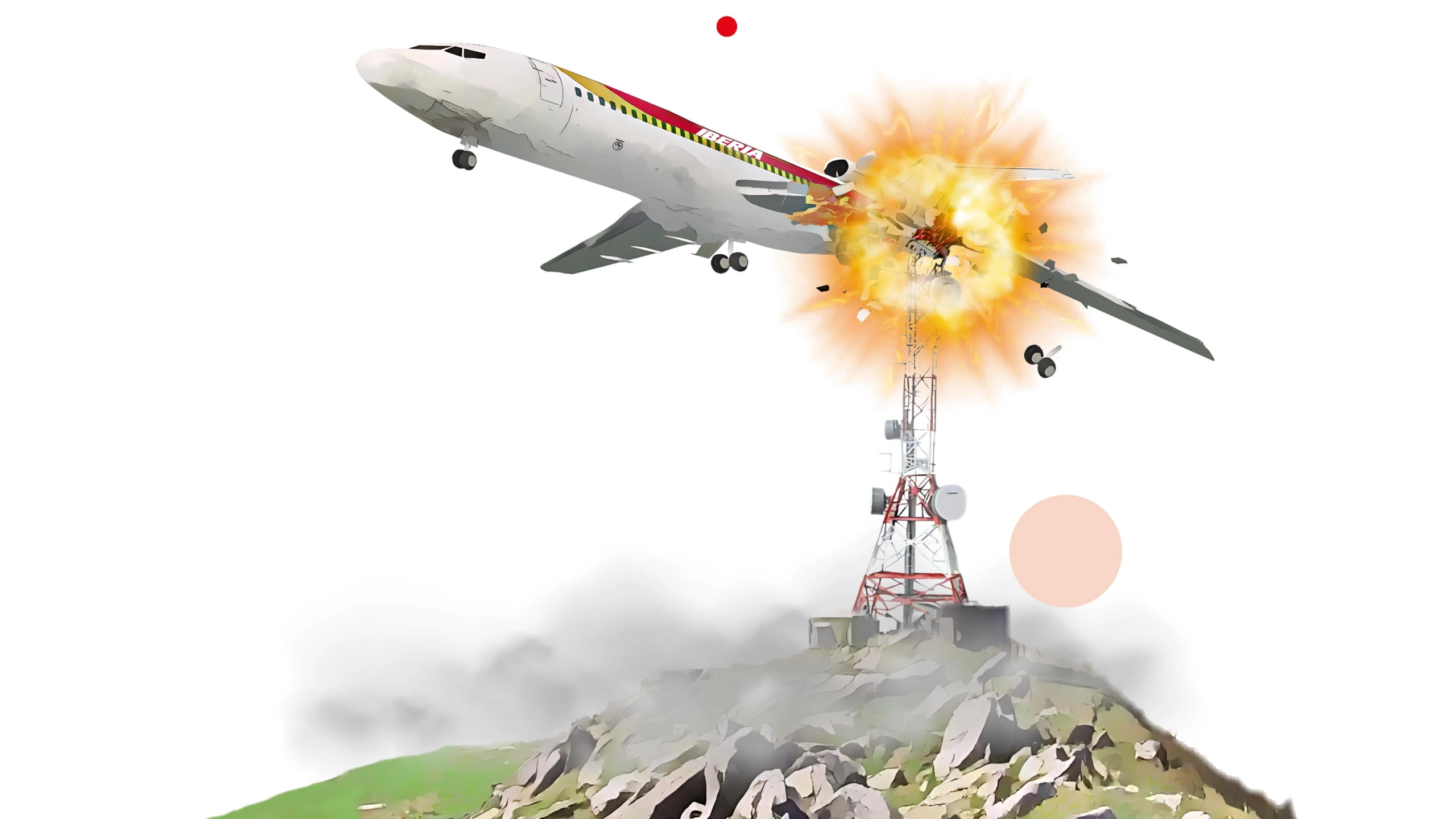
Basque Fact of the Week: The Deadly 1985 Airline Crash on Mount Oiz

Forty years ago, the most horrific airline disaster to ever occur in the Basque Country happened just outside of my dad’s hometown of Munitibar. Even today, the crash is imprinted on the collective minds of the local Basques – more than once it has come up in conversation when I’ve visited the Basque Country. While Oiz is known for its spectacular views, it also has this dark cloud associated with it.

A graphic illustrating the crash of Iberia Flight 610 with an antenna on the peak of Mount Oiz. Graphic from El Diario Vasco.
  • On February 19, 1985, a flight from Madrid to Bilbao crashed in the mountains outside of my dad’s hometown of Munitibar. All of the people on board – 141 passengers and 7 crew – died in the crash. It is the worst airline disaster in the history of the Basque Country.
  • The plane crashed because its wing clipped a television antenna on the top of Mount Oiz. Authorities concluded that the autopilot had failed to engage and that an alarm indicating too low of an altitude went off, but the pilots misinterpreted the alarm and dropped even lower, low enough to hit the antenna on the peak of the mountain. Thick fog which limited visibility to 2.5 miles also contributed to the crash. Yet another factor was the altimeter design, which was hard to read. And another factor was that the TV antenna had not been on the navigation maps and was too tall for safety.
  • The left wing of the plane was completely sheared off because of the impact. The plane rolled to the left and crashed into the trees covering the area. Trees were cut down in a path of more than half a mile before the plane landed in a ravine where it continued to skid before blowing up.
  • As can be imagined, the recovery was challenging. Debris spread over a radius of almost 2 miles in the rugged terrain of the Basque mountains. There were no survivors and several bodies were impossible to identify.
  • One of the consequences of the crash is that all altimeters were changed in all Spanish planes. The United States had already made such a change due to the penchant for pilots to misread it. While investigators ultimately said the crash was due to pilot error, many people didn’t accept that conclusion, even blaming ETA for bringing the plane down.
  • Even as late as 2021, human remains were found on the crash site, which prompted requests to completely clear the site of all vestiges of the wreck. Further, efforts to create a memorial to those lost were also put in motion.

A full list of all of Buber’s Basque Facts of the Week can be found in the Archive.

Primary sources: Iberia Flight 610, Wikipedia; Las 148 víctimas olvidadas de la mayor catástrofe aérea en Euskadi by Beñat Arnaiz y Javier Bienzobas, El Diario Vasco

Basque Fact of the Week: John Arrillaga, Stanford’s Biggest Fan

Basque names have a way of jumping out at you. I was recently attending a workshop at the SLAC National Accelerator Laboratory, situated on the Stanford University campus, when someone mentioned the Arrillaga rec center. “Arrillaga?” I thought to myself. “Has to be Basque.” Sure enough, John Arrillaga, one of Stanford’s biggest supporters ever, was of Basque ancestry. His story starts off familiarly enough – humble beginnings as the grandson of Basque immigrants. However, he found opportunities to become one of the wealthiest people in the United States.

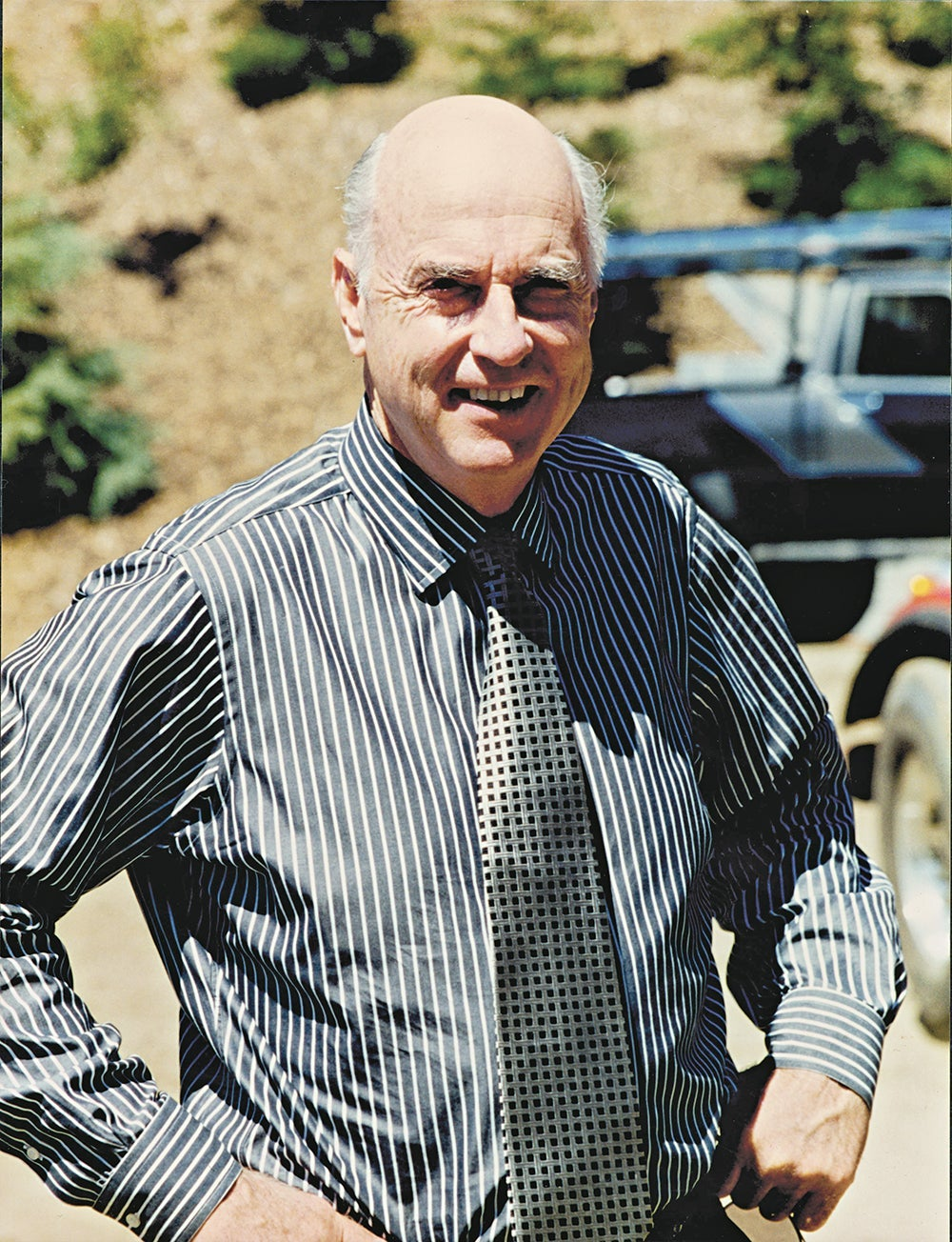
The Arrillaga Science Center, on the campus of the SLAC National Accelerator Laboratory. Photo of John Arrillaga from the Stanford Report.
  • John Arrillaga was born on April 3, 1937, in Inglewood, California. His mother, Freda, who was originally from England, had been a nurse while his father, Gabriel, worked in a market. Gabriel traced his ancestry to the Basque Country. John’s grandparents Gabriel Arrillaga and Magdalena Acarregui were both born in the Basque Country, though I haven’t been able to find out where exactly.
  • John came from humble beginnings. When he graduated from high school, he had to borrow a suit jacket from his chemistry teacher. However, he was a talented basketball player and went to Stanford University on a basketball scholarship. He graduated from Stanford with a degree in geology, but that wasn’t the end of his basketball career. He played for both the Bilbao Águilas – a chance to explore his Basque roots – and the then San Francisco Warriors in the NBA.
  • In the 1960s, Arrillaga began his career in real estate, buying farmland with his partner Richard Peery that they converted into office space. This was at the time when the semiconductor industry was starting to take off and Arrillaga and Peery were a huge part of the development and growth of Silicon Valley, providing the rising tech companies with needed space. Together, they were one of the biggest landlords in the area and in 2020, Arrillaga was listed in the top 400 of Forbes richest Americans, with a net worth of $2.5 billion.
  • Arrillaga gave back to his university, Stanford, in numerous ways, contributing to the construction of multiple buildings, including housing for graduate students and rebuilding the football stadium. He also endowed more than 50 scholarships – notable recipients of his scholarships include Tiger Woods, Katie Ledecky, and Christian McCaffrey. He made two donations to the university in excess of $100 million each. As a result, his name has become a fixture around the campus. The Arrillaga Science Center is just one of many buildings that bears his name.
  • Arrillaga died on January 24, 2022. His legacy continues on with his children, Laura and John, who continue his life of philanthropy.

A full list of all of Buber’s Basque Facts of the Week can be found in the Archive.

Primary sources: John Arrillaga, Wikipedia; John Arrillaga, longtime Stanford philanthropist and Silicon Valley real estate developer, dies at 84, Stanford Report; John Arrillaga, el vasco dueño de Silicon Valley by Ramón Trecet, El Confidencial

Basque Fact of the Week: Zortziak Bat International Symposium on the Basque Diaspora and Cultural Expressions

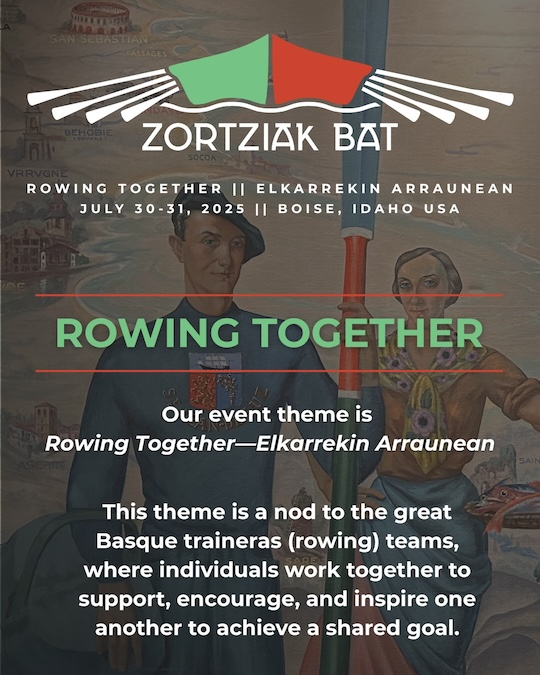
The Basque diaspora – those Basques that have found themselves for a multitude of reasons living and building lives outside of the Basque Country – have made significant contributions to the continued health and prosperity of Basque culture. Inspired by the motto Zazpiak Bat – the seven are one – the phrase Zortziak Bat has been used to include all of those Basques in the diaspora – the diaspora is the eighth province of the Basque Country. To recognize and celebrate the contributions of the Basques of the diaspora to Basque studies, a special symposium will be held during Jaialdi week. If you want to learn about a variety of aspects of Basque culture, check it out!

  • The Zortziak Bat symposium will be held July 30-31, 2025, on the campus of Boise State University as part of the activities associated with Jaialdi 2025. The symposium’s goal is to explore the Basque diaspora – hence the name – with multiple talks and presentations about the history of Basques outside of the Basque Country.
  • The theme of the symposium is “Rowing Together” – Elkarrekin Arraunean in Basque – highlighting the collective effort of so many people dedicated to preserving the Basque culture. The theme is inspired by the trainera rowing teams that have to work together to steer their boats through the water. Similarly, this world-wide collection of scholars, creators, and experts, including those in the diaspora, help the Basque culture navigate the currents of cultural, political, social, and historical changes.
  • These presentations will cover a range of topics, including on the role of the diaspora in the history and future of the Basque Country, how the diaspora can help promote and preserve the Basque language, and what it means to be Basque in the diaspora, as well as more historical and cultural discussions of the diaspora, including the use of song and sport in establishing and promoting identity. There will also be talks about bringing Basque traditions into the future, including in the realms of fashion and myth. The full program can be found here.
  • Several friends of Buber’s Basque Page will also be presenting. Pedro Oiarzabal will give a talk on the role that Basques played in the American effort of World War II while John Ysursa will give a talk in dedication of Warren Pepperdine, a former Husky (yay!) that made significant contributions to Basque studies.
  • In addition to the talks, there are also interactive experiences centered around Basque arboglyphs, an interactive and traveling art piece, and a cafe that promises to be an Euskara immersion experience – if you want to practice your Basque, just show up!
  • The program ends with a special panel discussion with Lehendakari Imanol Pradales Gil, current president of the Basque Autonomous Community followed by a special awards ceremony in which several people, including myself, will be honored for their efforts in promoting and preserving Basque culture, history, and language.
  • The symposium is hosted by the Basque Studies Foundation in partnership with the Basque Studies program at Boise State University and the Basque Educational Organization.
  • For those interested but that can’t travel to Boise, the symposium sessions will also be shared via Zoom:

A full list of all of Buber’s Basque Facts of the Week can be found in the Archive.

Primary sources: Zortziakbat.eus

Basque Fact of the Week: The Folk Band Oskorri

I’ve written about how, when I returned from my year in the Basque Country, I sort of shocked my dad by playing some Basque punk. However, I also came back with some folk music, including Oskorri. This, my dad could get in to. When he left the Basque Country, they didn’t have recordings of all of this music that he grew up with, so, when I was growing up, he never listened to any of it. Having a few CDs of music like Oskorri changed that for him, returned a little flavor of the Basque Country he grew up in.

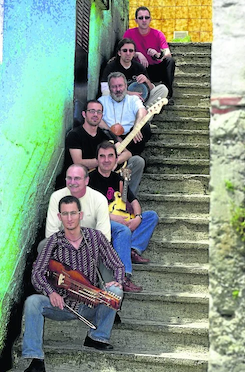
Oskorri’s lineup at the time of their last concert. Third from the top is Natxo de Felipe. Photo from El Diario Vasco.
  • Oskorri was created in 1971 by Natxo de Felipe, performing their first concert at the University of Deusto in March of that year. Their first album, released in 1976, was based on the poems of Gabriel Aresti. In their early years, during the time of transition from Franco’s dictatorship, their music was much more political and combative, reflecting their (and Aresti’s) leftist sympathies, though with time their message mellowed.
  • During those first years, the police and the Guardia Civil would show up to disperse the crowds, including through beating concert goers. However, they also received pressure from ETA who “sabotaged” some of their performances because of their association with the EMK – the Communist Movement of Euskadi.
  • Their name comes from a line from one of Aresti’s poems: “Oskorria zabaltzen da/ euskaldunen lurrean” (The red sky opens in the land of the Basques). Aresti was a good friend of Natxo de Felipe.
  • Their initial sound combined Basque folk instruments with jazz. However, that sound evolved until they found their own distinct style. A style that maybe started a bit more modern shifted as they gained popularity to include more traditional sounds, including the alboka, the trikitixa, and the txalaparta. However, as they included more international instruments, particularly the violin and other percussion instruments, their sound continued to evolve into what is sometimes called world music.
  • Many of their songs have become tradition in their own right, known and sung across the Basque Country. These include “Euskal Herrian Euskaraz” (In the Basque Country, Basque), “Aita-semeak” (Father and Son), and “Gora ta gora beti” (Always Higher and Higher, their version of the Czech song “Škoda lásky”). “Aita-semeak” was actually the first single that Oskorri released back in 1975.
  • As is often typical of any group that has performed for so long, Oskorri has a long history of collaborating with other groups, both within and outside of the Basque Country.
  • The band released their final album in 2016. Their last performance was on November 22, 2015, at the Arriaga Theater in Bilbo. During their 40 years, they played some 3000 concerts all over the globe. Their longevity also served as a platform for bringing in new, young musicians who benefited from collaborating with these well-established musicians.

A full list of all of Buber’s Basque Facts of the Week can be found in the Archive.

Primary sources: Oskorri, Wikipedia; El último escalón de Oskorri by Iñaki Esteban, El Diaro Vasco

Basque Fact of the Week: Basque Intellectual Joxe Azurmendi

While the Basque Country has seemingly punched above its weight in terms of its contributions to history, its contributions to philosophy are perhaps less well known. On July 1, the Basque Country lost one of its heavyweights. Joxe Azurmendi was one of the intellectual leaders of the modern Basque Country. It is impossible to do justice to his thinking and contributions in such a small space, but hopefully this brief introduction might motivate some to delve deeper into his work. Thanks to Eneko Ennekõike for bringing Azurmendi and his work to my attention.

Joxe Azurmendi. Photo from naiz.
  • Joxe Azurmendi Otaegi was born on March 19, 1941, in the town of Zegama, Gipuzkoa (not very far from Mutiloa, where my great grandfather Blas Telleria was from). His father worked in a paper factory while his mother was a homemaker. When he was 9 or 10, he went on his own accord to study with the Franciscans at the Sanctuary of Arantzazu and received an atypical education for a child of his background. He went on to study philosophy at Erriberri (Olite in Spanish) before returning to Arantzazu to study theology. He later also studied in Italy and Germany.
  • In the 1960s, he began working with the magazine Jakin, one of the oldest publications in Basque that is focused on culture and thought, publishing the first of several pieces in 1960. His articles spanned many topics, including Marxism and orthodoxy, culture, religion, poetry, literature and identity. He was actually the director of the magazine when it was banned for the first time by Franco’s government. He always wrote in Basque, knowing that it would limit the spread of his ideas but also knowing that the language needed to be used to survive.
  • While he was in Germany, in 1967, he sent an article to the magazine Zeruko Argia entitled “Zergatik eta zertarako euskaldun?” (Why and for what are Basques?) In it, and in a follow on article, he made the controversial statement that to be Basque, one must strive rather than be born. This caused quite a controversy.
  • In 1984, he submitted his thesis for his doctorate. His thesis, under the supervision of Víctor Gómez Pin and Julio Caro Baroja, was on the priest José María Arizmendiarrieta who had founded the cooperative Mondragon. He became a professor at the University of the Basque Country and was again director of Jakin.
  • In 1992, he published perhaps his most famous work, Espainolak eta euskaldunak. This was in response to Claudio Sánchez-Albornoz, who had written that “The Basques are the last to be civilized in Spain; they have a thousand years less civilization than any other people… They are rude, simple people, who also believe themselves to be children of God and heirs of his glory. And they are nothing more than unromanized Spaniards.” In his work, Azurmendi dismantled the various stereotypes about Basques held by many Spanish.
  • Though he retired in 2011, he continued to write. In 2012, he published Parkamena, kondena, tortura where he expanded on topics such as, just like the Church in the past, the State is now the strict controller of our consciences.
  • Much of his thinking and writing was against dogmatism, from either side of the intellectual and political spectrum. His writing is a defense of freedom of thought and conscience. He challenged the thinking of his contemporaries, who he felt were not keeping apace with scientific advancement, a sentiment he made clear in his statement: the only thing we know about humans is that they are mere animals.
  • He was also an advocate for the Basque language, as reflected in his use of the language to express his ideas. He thought language was a living thing, that created a universe of thought unto itself, and that it could represent the soul of a people.
  • He won many recognitions and awards over his life and is regarded as one of the most esteemed and influential contemporary thinkers and writers in Basque literature. Azurmendi died on July 1, 2025 at the age of 84.

A full list of all of Buber’s Basque Facts of the Week can be found in the Archive.

Primary sources: Joxe Azurmendi, Wikipedia; Joxe Azurmendi, Wikipedia

Basque Fact of the Week: The Industrial Town of Ermua

The three Basque cities I’ve spent the most time in are Donostia, Munitibar, and Ermua. My dad’s sister and her family settled in Ermua as that is where the job was – her husband worked for the knife company Aitor until he retired. Ermua maybe doesn’t have the charm of the coastal cities, but it has its own unique marcha and, like so many Basque towns, a vibrant street life. The Basque tradition of the txikiteo is strong there, leading to the creation of some unique and spectacular pintxos. Not every city can be a tourist trap. Ermua is a town where the people just live their lives.

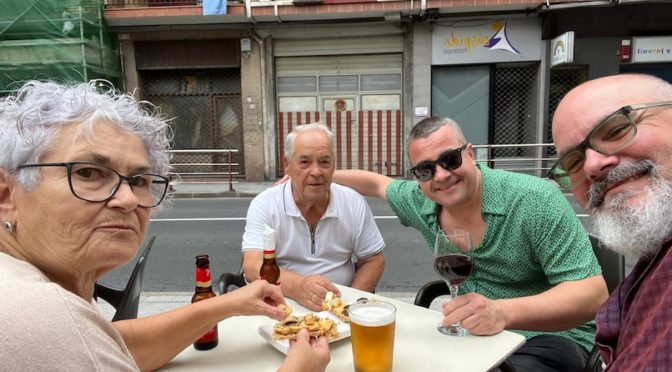
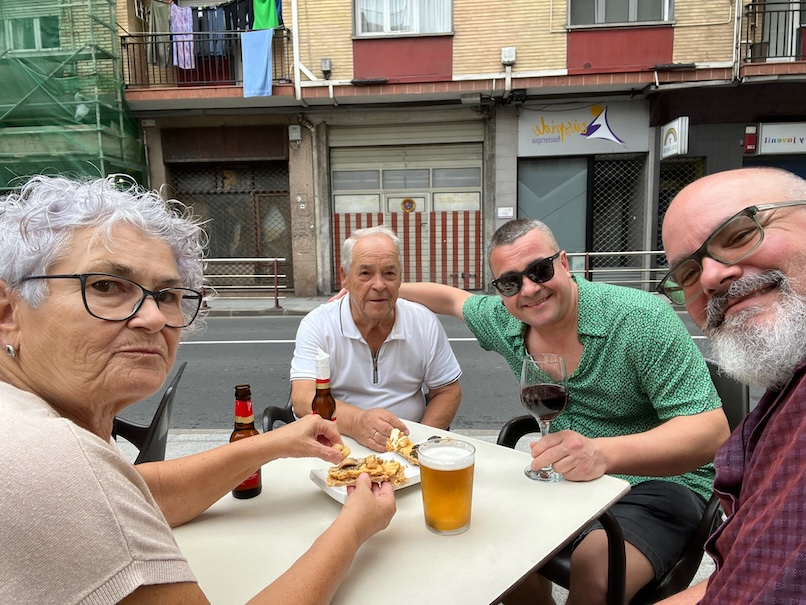
Enjoying pintxos in Ermua with my dad’s sister Begoña, her husband Javier, and my cousin Gorka.
  • Ermua is a town of about 16,000 people situated on the Bizkaian side of the Bizkaia-Gipuzkoa border. It lies very close to Mallabia and, on the other side of the Bizkaia-Gipuzkoa border, Eibar. It is situated at the foot of some mountains which aren’t very tall in the end, but because they rise immediately from the edge of town, they give the city a dramatic feel.
  • The precise date of Ermua’s founding is unknown. It is first mentioned by the Lord of Bizkaia on January 20, 1372. The context suggests to some historians that Ermua was thus founded in 1279. However, there is evidence of prehistoric human activity in the area. At both the Kobagorri cave and the Gentilkoba natural shelter, there is evidence of Bronze Age burials. There are also dolmens nearby. Both point to a much earlier human presence.
  • Neither do we know precisely what the name Ermua means. It could come from the Basque word muga, meaning border and referring to the border with Gipuzkoa. Or it could come from the Latin eremua, meaning wasteland.
  • Since its earliest history, Ermua has been associated with industry. In 1462, Ermua was known to have a forge and by 1516, it had a factory dedicated to the manufacture of muskets and shotguns. In the 1900s, as industry grew in neighboring Eibar, Ermua felt the aftershock. In the 1960s alone, the population grew from 3,000 people to nearly 15,000, much of it driven by both new industry as well as being a bedroom community for the newly arrived immigrants to Eibar. In the 1970s, Ermua had a higher population density than either Bilbao or Barcelona, a consequence of the need to build up because of those mountains. Today, the economy of Ermua is centered around metal processing, including for automotive parts, machine tools, and bicycles.
  • in 1794, Ermua fell to the French and was almost completely burned to the ground.
  • Ermua played a role in the War of the Bands. In particular, in 1468, men gathered in Ermua on the side of Lope García Salazar in his fight against the town of Elorrio. In that same year, people from the neighboring town of Zaldibar fled to Ermua.
  • Ermua gained some infamy in 1997 when their town councillor, Miguel Ángel Blanco, was kidnapped and executed by ETA. In response, a peace movement, the so-called Foro de Ermua, was created with the goals of promoting political and civil liberty.
  • More recently, Ermua was celebrated for having the best pintxo of Bizkaia. Named the nigicreta and made from almadraba tuna, it was created by Jesús González of the bar Sagarra.
  • Despite its industrial nature, Ermua boasts a number of attractions, including the Valdespina Palace, a magnificent Baroque-style residential building built in 1738; the Lobiano Palace, built in the 16th century and is one of the greatest Renaissance buildings in Bizkaia; and the Church of Santiago Apóstol another beautiful Renaissance building dating to 1600.

A full list of all of Buber’s Basque Facts of the Week can be found in the Archive.

Primary sources: Ermua, Wikipedia; Ermua, Wikipedia; Castaño García, Manu. ERMUA. Auñamendi Encyclopedia. Available at: https://aunamendi.eusko-ikaskuntza.eus/en/ermua/ar-40057/

Martin Aguirre y Otegui, Basque “Righteous Among the Nations,” Celebrates his 100th Birthday

by Sancho de Beurko Association

This article was written by Pedro Oiarzabal.

Martin, born on July 4, 1925, in Las Arenas, Getxo (Bizkaia), was one of the thousands of children evacuated by the Basque government in June 1937 to escape the aerial bombardments perpetrated by General Francisco Franco’s Italian and German allies against the civilian population. Martin and two younger brothers were sent to Belgium. At just 12 years of age, he became the head of his family during their exile and through the harsh times of World War II. In May 1940, Germany invaded Belgium. The Aguirres once again found themselves in the middle of a war.

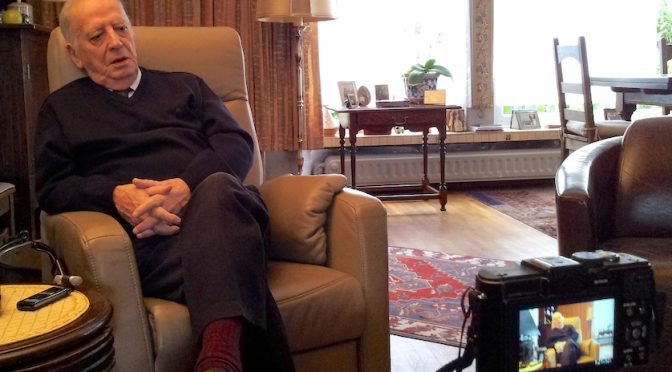
Martin Aguirre, aged 88, in 2014, being interviewed by Dr. Oiarzabal.

Pedro J. Oiarzabal and Guillermo Tabernilla are the principal investigators of the research project “Fighting Basques: Basque Memory of World War II” of the Sancho de Beurko Elkartea in collaboration with the North American Basque Organizations (NABO). The present article derives from the “Fighting Basques” project.

Oiarzabal received his Doctorate of Political Science-Basque Studies from the University of Nevada, Reno. Over the last two decades, his work has focused on research and consulting on public policies (citizenship abroad and return), diasporas and new technologies, and social and historical memory (oral history, migration and exile), with special emphasis on the Basque case. He is a member of Eusko Ikaskuntza.

Tabernilla is a researcher and founder of the Sancho de Beurko Elkartea, a non-profit organization that studies the history of the Basques of both slopes of the Pyrenees in the Spanish Civil War and in World War II. Between 2008 and 2016 he directed the catalog of the “Iron Belt” for the Heritage Directorate of the Basque Government. He is author, along with Ander González, of Basque Fighters in World War II (Desperta Ferro, 2018).

During that last world conflict, Martin became an active member of a clandestine network in Belgium aiding and rescuing Jews from the Nazi regime. Despite being in his late teens, he saved the lives of a considerable number of children and teenage Jews. On January 11, 2011, Yad Vashem—The Holocaust Martyrs’ and Heroes’ Remembrance Authority—recognized Martin as one of “The Righteous Among the Nations.” He is one of the very few Basques recognized in this way. 

Aguirre’s biographer, Dr. Pedro J. Oiarzabal, describes him “as a humble man of great integrity and honesty.” “I am proud to call him my friend,” the Basque diaspora specialist said. “As an oral historian, I began a series of interviews with Martin back in 2014 and we have stayed connected as much as possible through the years. I am still thanking him for agreeing to be interviewed and for narrating his life, which included some very painful moments and memories, which I will always treasure and protect.” Dr. Oiarzabal concludes, “we owe him so much for making this world a freer and better place under the very difficult circumstances that were World War II. We will forever be in his debt.”

Happy birthday, Zorionak, Martin!