
On April 26, 1937, the Basque city of Gernika was bombed. This, and other disastrous events during the Spanish Civil War, led to thousands of Basque children being evacuated from the Basque Country. In their play, Picasso Presents Gernika, playwright Dr. Begoña Echeverria and creative director Dr. Annika Speer, both professors at the University of California, Riverside, explore the human toll that the bombing, the war, and the evacuation had, particularly on the children. In this interview, they discuss the origins of the play, why a docudrama was the right way to present this story, and how the collaborative experience keeps evolving in unexpected directions.
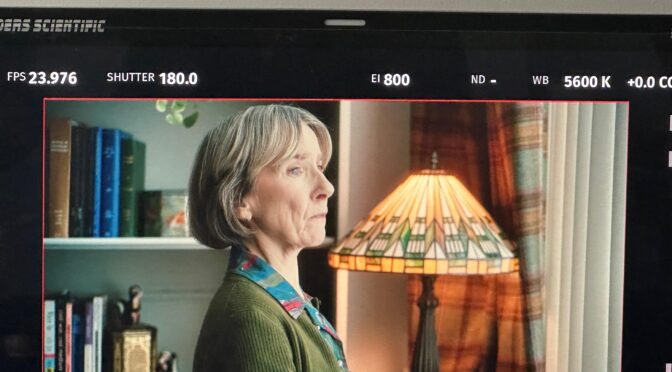
With Jacqueline Postajian, a screenwriter and director from Los Angeles, they have turned their play into a film, Children of Guernica. They are in the final stages of filming and production. More details about the film and an opportunity to help with fundraising for the film can be found their Creative Visions site.
Buber’s Basque Page: Let’s begin with a little introduction. Can you each introduce yourselves and say a few words about how you found each other for this project?
Begoña: I am the daughter of Basque immigrants who settled in Chino, CA. I am also the Faculty Director of University Honors at UC Riverside, and a Professor in the School of Education. I met Annika through our colleague Bella Merlin, who’s featured in both the play and the film. I met Jackie through Mario Verlangieri, a music producer with whom I’ve been recording Basque songs.
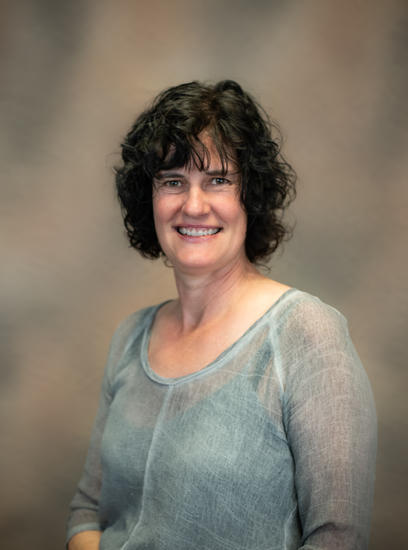
Annika: I’m a professor in the Department of Theatre, Film, and Digital Production. My colleague and friend (Acting Professor Bella Merlin) initially put Begoña and me in touch because she knew we would have a lot to discuss. Begoña had written Picasso Presents Gernika, a docudrama play, and I wrote my PhD dissertation on docudrama. After years of collaborating on the play we knew we wanted to make a film. Since neither of us are film directors we were searching for the right collaborator and Mario put us in contact with Jackie.
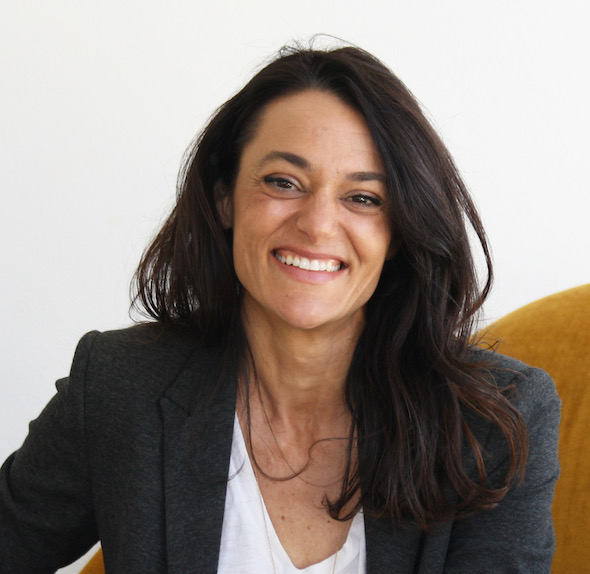
In addition to academic work, Speer works as a dramaturgical researcher and script consultant for film, most recently for The Girl on the Train (2016), Men, Women & Children (2014), Walking Stories (2013), and Call Me Crazy: A Five Film (2013). She has directed plays as fundraisers for Women Help Women, Planned Parenthood, and Pacific Pride Foundation with the mission to generate collaborative, creative, and activist oriented theatre.
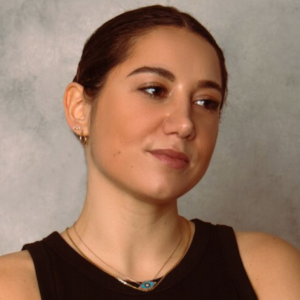
Jacqueline: I’m a screenwriter and director from Los Angeles. I’ve been working in entertainment for nearly ten years and have completed two short films. Mario was the sound mixer on one of my previous short films, Souvenir Drunk, and I was delighted and honored that he suggested me for the job. After watching the recorded version of the reading of Picasso Presents Gernika at the United Nations, I immediately knew I wanted to help tell this story.
BBP: That Children of Guernica is happening must mean that the reception of your play Picasso Presents Genika was quite exceptional. How does it feel that your play was so well received? What was most surprising about how people responded to Picasso Presents Gernika?
Begoña: It’s very gratifying but also a little disappointing; I would prefer that the themes of the play were no longer relevant. It’s been surprising — and sobering — to see the connections audiences have made between this little-known Basque story from almost 90 years to their own stories of displacement or family separation in far-flung locales in the present. But it’s also been surprising to see how the play seems to bring closure for some Basque descendants of the evacuees, and has elicited stories from the families of survivors that I’d never heard before. This has inspired me to keep telling this story.
BBP: Clearly you’ve told at least part of the story in Picasso Presents Gernika. What motivated you to extend the story to a film?
Annika: Initially we had additional theatrical events planned for the play, but COVID happened, theatres closed, and the opportunities we were looking forward to unfortunately were no longer available. In that moment, I suggested that we edit the filmed version of the staged reading so that we could still allow the story to reach audiences. We were delighted with the reception that we had for the story (at universities, museums and cultural centers, conferences etc.). However, a filmed version of a staged reading is not the most artistically engaging form of storytelling. This inspired us to take the seed of Begoña’s original play but adapt it into a script intended specifically for film. Although we are passionate about theatre, it is a more ephemeral medium, and we loved that film gave us the chance to work with the story from a different angle and to reach a broader audience.
BBP: In your view, why is it important to tell this story now?
Jackie: In a moment when histories of war and displacement are repeating themselves across the globe, Children of Guernica unfortunately remains relevant as ever. Film is and always will be an empathy machine. As audience members follow the journey of one Basque child refugee into adulthood, we hope to remind them that the most vulnerable, women and children, often pay the heaviest cost in war and conflict universally. Recent events have shown us how fragile and hard-won freedom is. One of the things I love most about Children of Guernica is the sacrifice at the center of the narrative. By telling this story, I hope to deepen public understanding of the human price of liberty—and the strength it takes to choose freedom for someone else, even when it means losing them.
Here is a trailer for the film.