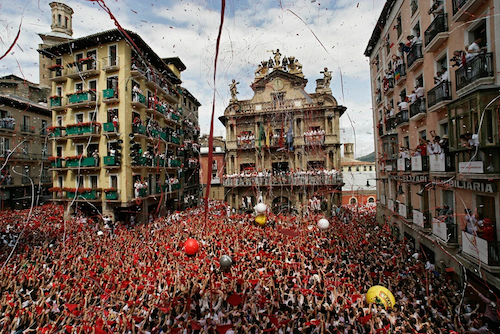
This one is a bit technical and maybe the Basque connection is a little loose, but (nerd alert!) I think this is fascinating. Crowd dynamics or simulation is a field in which scientists try to understand how collections of people move and how that movement changes when conditions change. Think of crowds and how they […]
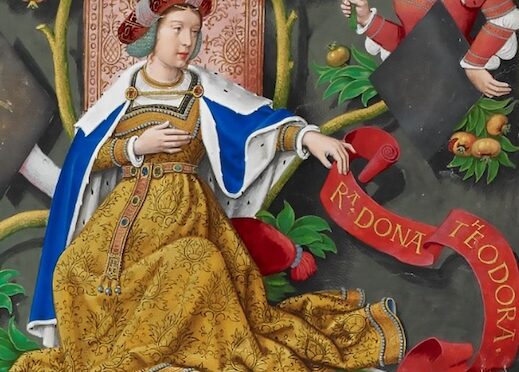
The medieval history of the Basque Country is both fascinating and so convoluted. There are so many marriages back and forth between different families as royals tried to consolidate and expand power that it becomes dizzying. A great example is Tota, or Toda, Aznar of Pamplona. Her skill as a diplomat and in establishing power […]
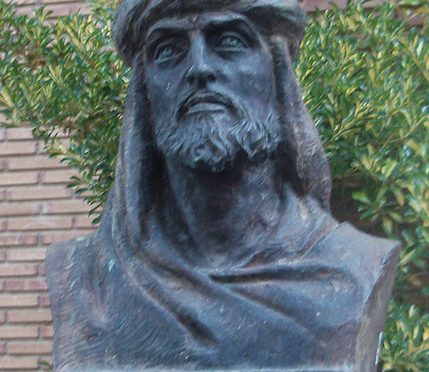
I’ve often heard that the Basques have never been conquered. However, during the Muslim invasion of what would eventually become Spain, they reached the borders of the Basque region. This led to significant military, political, and even familial interactions between the Muslims and the Basques. In fact, one of the most prominent families of the […]
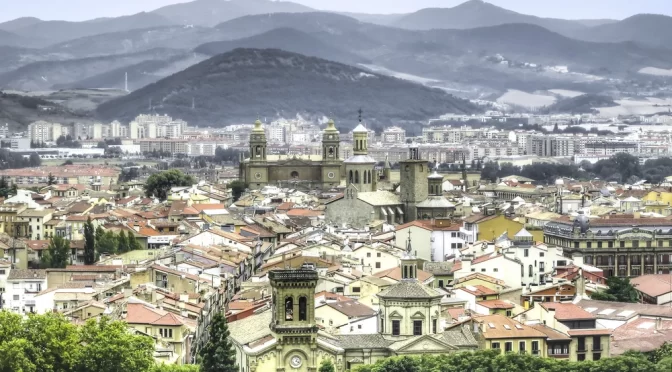
The capital of Nafarroa Iruña, or Pamplona, is most famous for the running of the bulls. I had the interesting pleasure of attending the running, watching from the safe vantage point of a balcony. But, the city boasts a history of more than 2000 years and is first mentioned by the Romans. The importance of […]
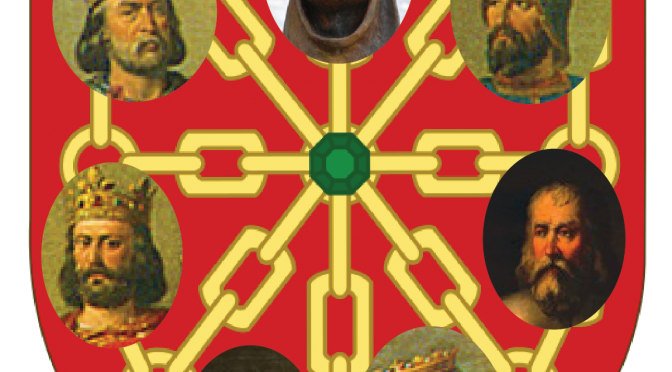
If there ever was a single political entity that encompassed all of what we now think of as the Basque Country — Euskal Herria with its seven provinces — it was the Kingdom of Nafarroa, originally known as the Kingdom of Pamplona. On the border of what later became France and Spain, it enjoyed great […]
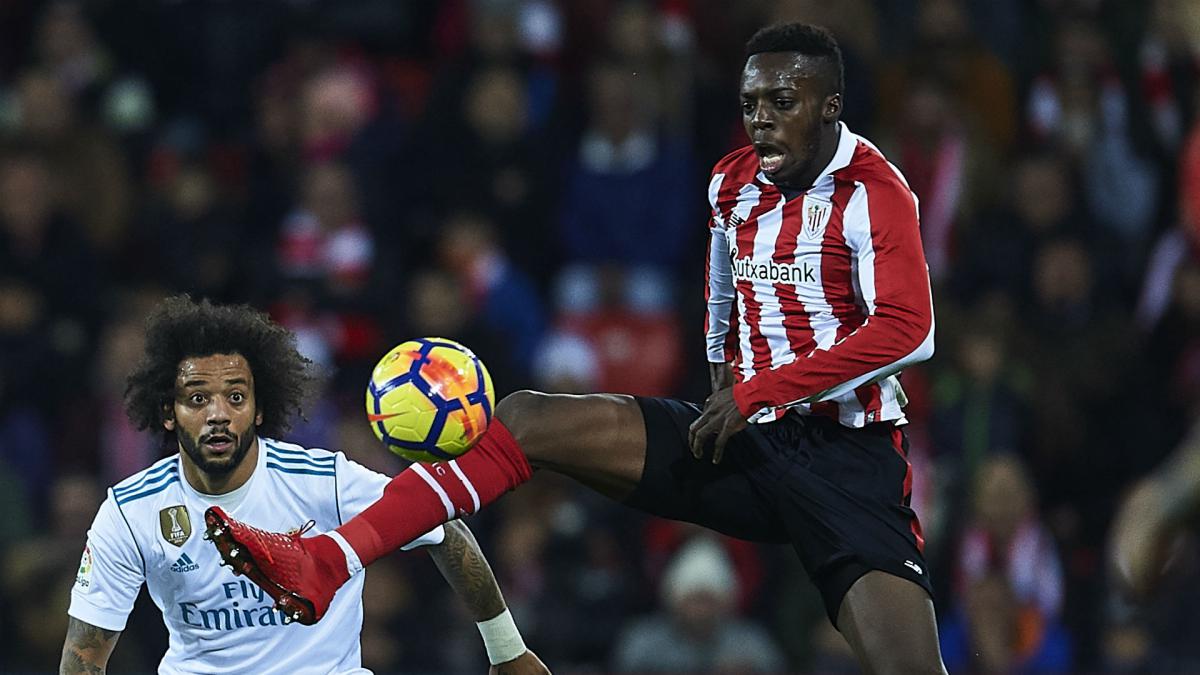
Athletic Bilbao is one of the most tradition-heavy soccer teams in the main Spanish league La Liga. Founded in 1898, they have won the league championship eight times, fourth most in league history, and won the Copa del Rey 23 times, second most behind only Barcelona. They are unique in their player philosophy, only hiring […]
Aberri Eguna On! Happy Aberri Eguna! Aberri Eguna, coinciding with Easter every year, is a celebration of the Basque Country. It has always had a political aspect, with events organized by the various Basque nationalist parties. However, it has also always had a cultural aspect, which has been more emphasized in Basque communities outside of […]
This book has been on my to-read pile for a while, but I haven’t gotten the English translation yet. Long-time contributor David Cox is ahead of me and has not only read the novel, but kindly provided this review. Eskerrik asko David! The Invisible Guardian Dolores Redondo 2013 Translation by Harper Collins 2015 (UK, Canada) […]
Back in June, right after I visited the Basque Country, citizens across the region held a peaceful demonstration in support of greater autonomy for the Basque people. The demonstration, called Gure Esku Dago, or It’s in Our Hands, consisted of around 150,000 people holding hands in a chain that extended from Durango to Pamplona, roughly […]
1931: Originally planned for Pamplona, the Assembly of the Basque Municipalities is held in Estella to discuss the Basque Statute of Autonomy. The meeting was a great success. The Assembly — representing Araba, Bizkaia, Gipuzkoa, and Nafarroa — approved the draft of the Basque Statute of Autonomy prepared by the Society of Basque Studies. From […]