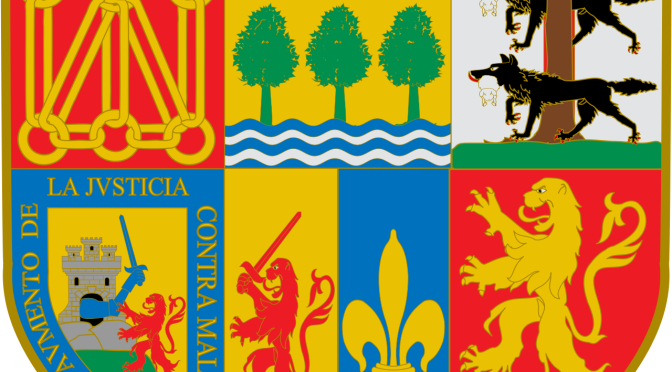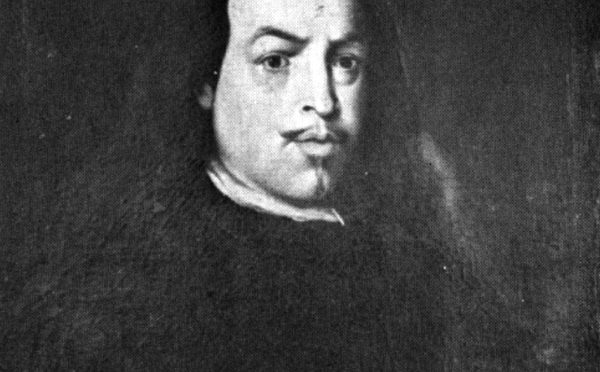
History is full of characters that, while not always highlighted in our text books, made seminal contributions that certainly impacted the course of events. In the early days of what would eventually become the United States of America, numerous Basque were behind the scenes, working in official capacities for France and Spain, aiding the American effort against the British. Luis de Unzaga was one of those Basques, over his life governing several regions of Spanish America.
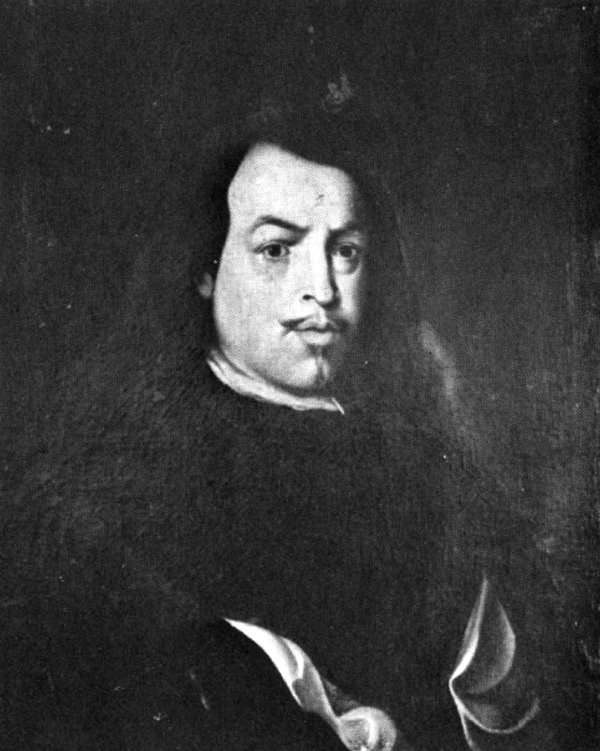
- Luis de Unzaga y Amézaga was born in 1717 to a prominent Basque family in the southern Spanish city of Málaga. He was the son of the mayor of the Alcazaba of Malaga, Francisco de Unzaga-Amézaga Aperribay; the grandson of the alderman of Bilbao, Tomás de Unzaga Gardoqui (Diego Gardoqui was a cousin) and great-grandson of the royal commissioner and paymaster of the Navy, Francisco de Unzaga Beraza. On his mother’s side (Juana Paniza Ladrón de Guevara), he was the grandson of Luis de Paniza-Ladrón de Guevara, captain of the coast of Granada, and great-great-grandson of the philanthropist and founder of schools in Lombardy, Luigi de Paniza. Coming from a military family, he himself joined when he was only 13 and in 1732 was part of the reconquest of the Algerian city of Oran.
- Unzaga was the fourth Spanish governor of Spanish Louisiana, which had become part of the Spanish empire in 1762 after the Treaty of Fontainebleau. He served from 1769 to 1777, when the American colonies declared their independence from Great Britain. He wrote George Washington, calling him “General of the United States of America.” Washington so liked this phrase — the United States of America — that it became the new name of what until then had been called the 13 colonies.
- Unzaga used his powerful family connections to help the fledgling nation, particularly by alerting Washington to the movement of British troops. He created a spy network that helped him deliver, clandestinely, five tons of gunpowder up the Mississippi River that was used in the defense of Fort Pitt. Before that, in 1772, he had sent a merchant, one Juan de Surriret, to New York to collect intelligence on British activities, in an effort to understand threats against Spanish holdings in the Americas. With his superior, Antonio María de Bucareli, he used Cuba’s fishing fleet to both gather and transmit intelligence.
- Unzaga was instrumental in the transition from French to Spanish rule in Louisiana. He tried to bolster New Orlean’s exports and promoted lumber and cotton industries that would benefit the region for many years. And he turned around Louisiana’s treasury.
- While in Louisiana, he married Elizabeth St. Maxent, daughter of Gilbert Antoine de St. Maxent who was the wealthiest man in Louisiana. They had one daughter.
- After completing his service in Louisiana, Unzaga became Captain General of Venezuela in 1777 and, in 1783, governor of Cuba. He retired to Málaga, serving as Lieutenant General of the General Command of the coasts of Granada. He died in 1793.
Primary sources: Luis de Unzaga, Wikipedia (English); Luis de Unzaga y Amézaga, Wikipedia (Spanish); Luis de Unzaga y Amézaga, Real Academia de la Historia; The Role of the Basques in the US War of Independence, About Basque Country