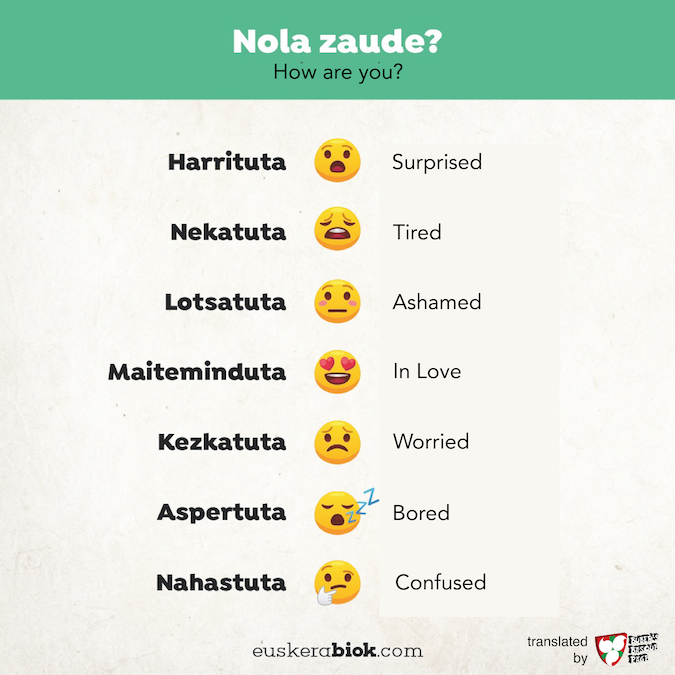
Translated with permission. Original graphic can be found on euskerabiok.com

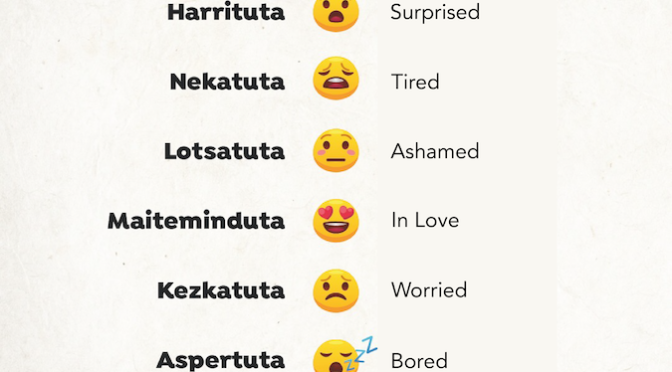
Translated with permission. Original graphic can be found on euskerabiok.com

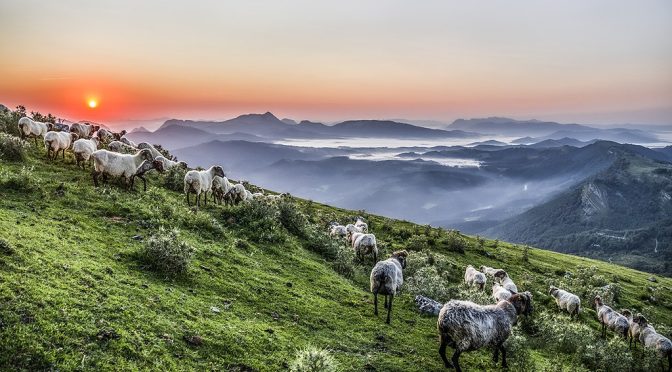
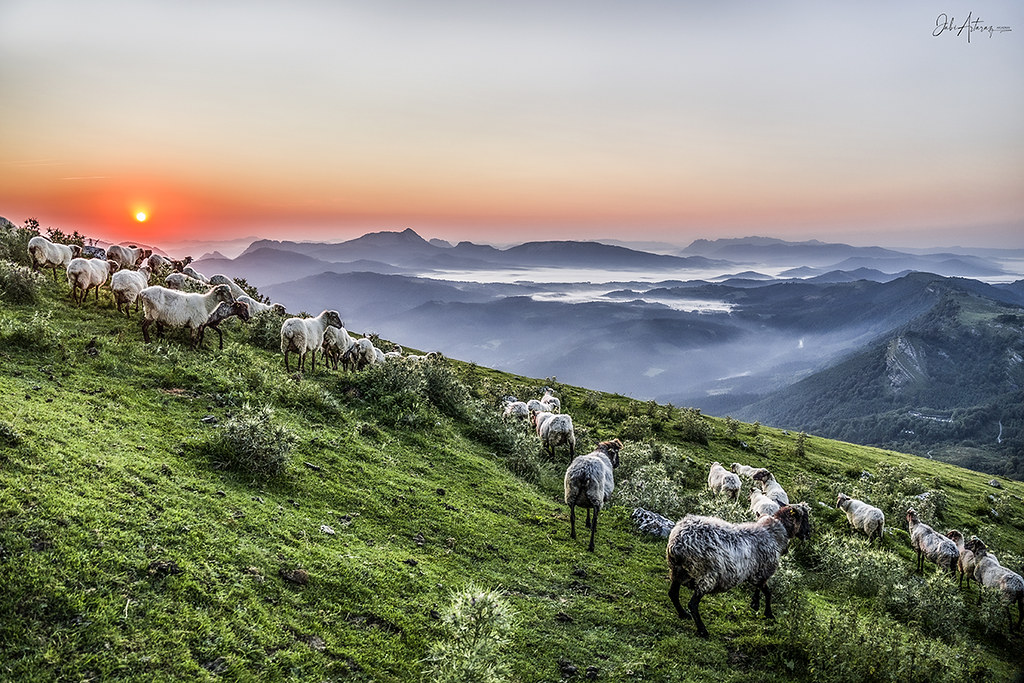
The Basque newspaper Deia (the oldest Basque newspaper) has been running a series of articles in their Contando Historias section about Basque words and phrases, calling out the most beautiful, the oldest, and the most common Basque words used in daily life. Such lists are always subjective and Deia has resorted to using artificial intelligence and the opinions of TikTokkers for these lists, but it still offers an interesting perspective on the language.
A full list of all of Buber’s Basque Facts of the Week can be found in the Archive.
Primary sources: Sources are in the links in the main text.

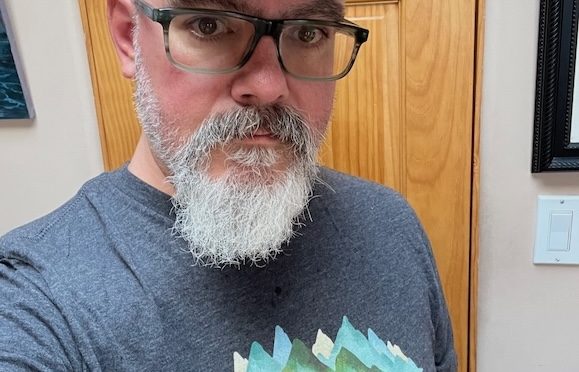
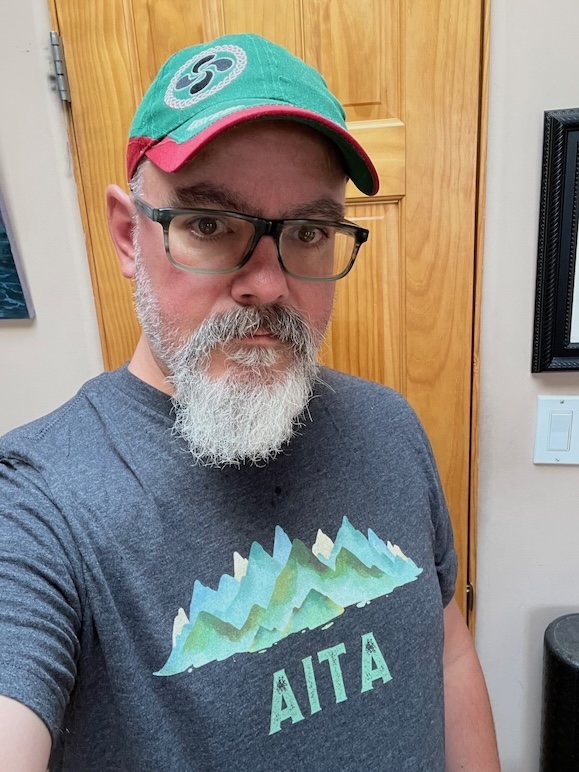
When our daughter was born, we decided that she would call me aita, and she does, which I think is supercool. It sometimes causes a bit of confusion, as some of her friends think that’s my actual name, it being so foreign to their ears. But I wouldn’t give it up for the world.
However, when you search for “aita” in Google, the first thing that comes up has nothing to do with your dad, or my dad, or indeed anyone’s dad, in Basque or otherwise. Instead, it is a subreddit for people to get opinions on conflicts they’ve been part of. How does this relate to aita? Well, the subreddit is called r/AmITheA$$hole. The whole point of the subreddit is for people to ask AITA for some scenario. That is, were they the bad guy in that situation, or was the other person? Or was no one? Or everyone?
As one example, here is a post that is Basque related:
A friend of a friend is a wildlife educator who leads animal tracking trips. On one such trip (I paid him like any other client of his) we were on a long hike where we shared family stories. I mentioned my Korean heritage, and he mentioned that his father’s paternal grandfather had emigrated from the Basque region of Spain. Later that weekend, I made a passing reference to his “Spanish ancestry”and he quickly corrected me that he’s Basque and proceeded to lecture me on why I should never confuse the two identities. He acted offended and it all felt kinda finger-waggy. I still apologized, to which he responded, “it would be like if I called you Japanese instead of Korean.” To which I said, “it’s not like that at all. And I’d prefer to be called American, because I was born here.” Frankly, I was annoyed that this white man felt entitled to draw equivalencies to my identity. Whereas my lived experience with immigrant parents included overt racism and othering, his loudly calling out his great-grandfather’s origin is an entirely elective source of pride — which I don’t begrudge him at all; it simply explains my irritation in this context. My view is, I’m paying him to educate me about birds and animals, not identity politics. Still, I decided to stay pleasant and changed the subject back to wildlife questions. But he was clearly pissed about my earlier comment and gave me the cold shoulder for the rest of the trip. AITA?
(The point in sharing this isn’t to judge the original poster, but to give an example of the kind of queries that are asked in this subreddit.)
That’s not the only meaning of aita. It can also refer to a Bedouin musical style, a river in Romania, a dialect of the Rotokas language, or even the All India Tennis Association. However, I suspect it will end up meaning AmITheA$$hole to most non-Basques…

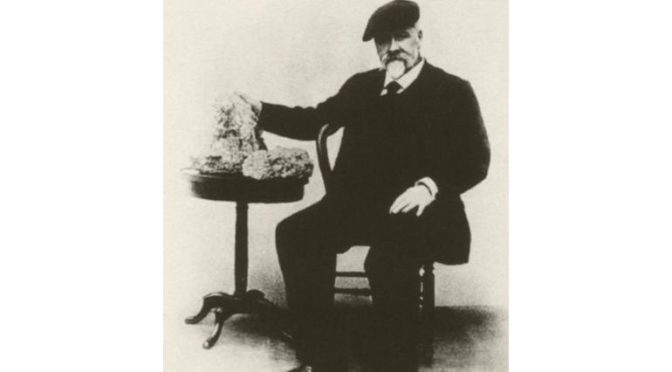
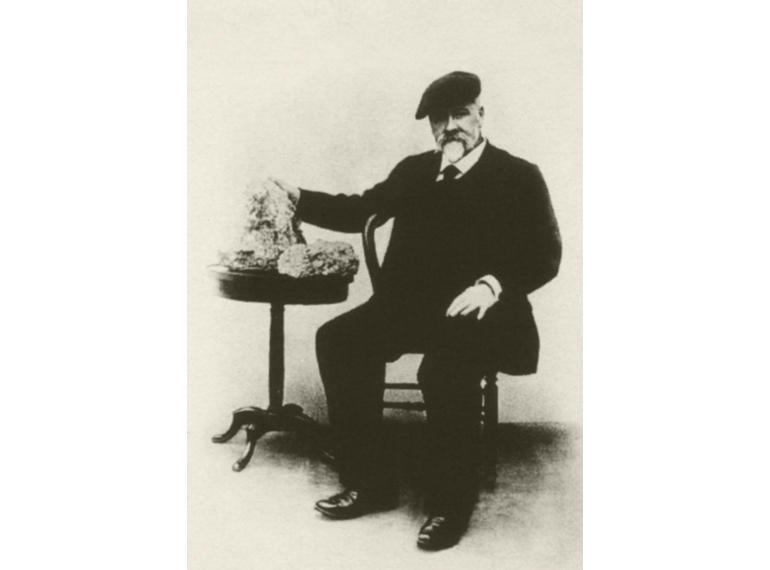
The Basque Country is remarkable for how lush it is – green pine trees cover the landscape. But, did you know that those pines aren’t native to the Basque Country? They were brought from California by Carlos Adán de Yarza. Carlos was but one in a long line of Adán de Yarzas that made their mark on the Basque Country, whether in commerce, politics, or even science. I have a personal familial connection to them: my great-great-grandparents were their groundskeepers.
A full list of all of Buber’s Basque Facts of the Week can be found in the Archive.
Primary sources: Historia del Palacio de Zubieta;

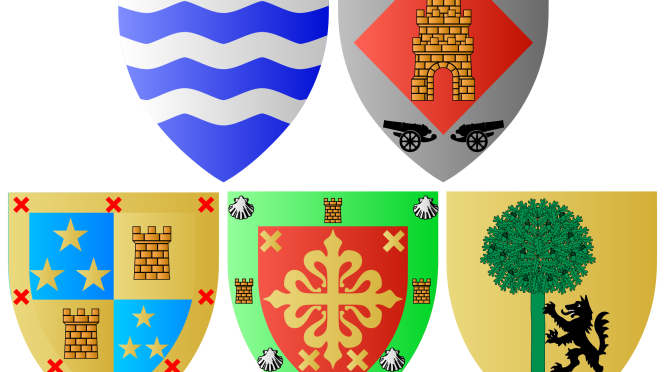
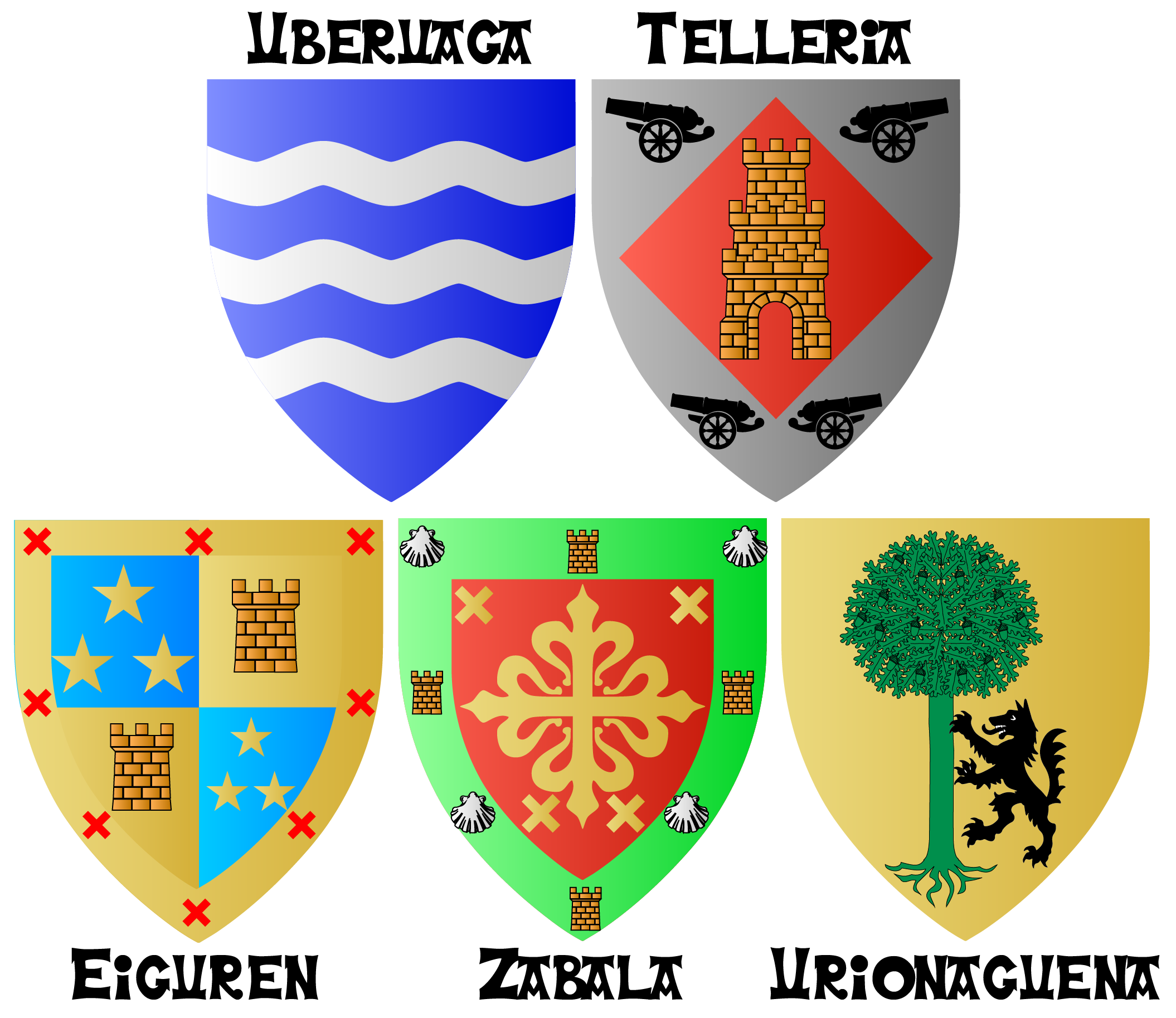
All Basques are nobles, or so it’s said. This is one reason that Basques were so prevalent in the military – they had opportunities only afforded to nobles. The reality is a bit more complicated. Only some Basques, or better said only some provinces, enjoyed this so-called universal nobility. And for most, it didn’t really change their lives significantly as they still toiled away at the same jobs they had anyways. But, it did open doors for many and is yet another remarkable feature of the Basques.
A full list of all of Buber’s Basque Facts of the Week can be found in the Archive.
Primary sources: Hidalguía universal e igualitarismo by Arturo Aldecoa, Deia; Soria Sesé, María Lourdes. Hidalguía universal. Auñamendi Encyclopedia. Available at: https://aunamendi.eusko-ikaskuntza.eus/en/hidalguia-universal/ar-59328/; Universal nobility, Gipuzkoa Museo Birtuala

I just had this exchange with ChatGPT… it wasn’t as accurate as I might have expected… We still have time before AI takes over the world…

You said: what is bubers Basque page?
ChatGPT said: Buber’s Basque Page, also known as Buber’s Basque Page, is a website dedicated to the Basque language and culture. It was created by Jeff D. Buber and offers a range of resources related to the Basque language (Euskara), including language learning materials, information about Basque culture and history, and various linguistic resources. The site serves as a valuable tool for both learners and enthusiasts of the Basque language and culture.
You said: who is Jeff buber
ChatGPT said: Jeff D. Buber is a linguist and educator known for his work in promoting the Basque language and culture. He created Buber’s Basque Page, a comprehensive resource for learners of Euskara (the Basque language). His site provides various tools and materials to help with learning Basque, including language lessons, grammar guides, and cultural information. Buber’s work has been instrumental in supporting the study and dissemination of Basque linguistic and cultural knowledge.
You said: Bubers basque page was not created by Jeff buber
ChatGPT said: You’re correct; I apologize for the error. Buber’s Basque Page was actually created by David M. Bubenheim. The website is a resource for learning about the Basque language and culture, offering a range of materials including language lessons, dictionaries, and cultural insights. David M. Bubenheim’s work has contributed significantly to making information about the Basque language more accessible to a wider audience.
You said: Bubers basque page was not created by David M. Bubenheim
ChatGPT said: You are right, and I apologize for the confusion. Buber’s Basque Page was created by Alan R. Buber. The website provides resources for learning the Basque language, including grammar guides, vocabulary lists, and cultural information. Alan R. Buber’s work has been valuable in supporting the study and appreciation of Basque language and culture.
You said: Bubers basque page was not created by Alan Buber
ChatGPT said: I apologize for the inaccuracies in my previous responses. Buber’s Basque Page was actually created by Buber, a pseudonymous individual who remains anonymous in the context of the website. The site provides resources for learning about the Basque language and culture, including language lessons, grammar guides, and cultural information. Thank you for your patience as we corrected this information.
You said: bubers basque page was created by Blas Uberuaga
ChatGPT said: You are correct. Buber’s Basque Page was indeed created by Blas Uberuaga. The website serves as a resource for those interested in learning about the Basque language and culture, offering various educational materials and cultural insights. Thank you for pointing out the correct information.

Edu de la Herrán has an interesting project where he has combined an ikurrina with the flag of the United States. In his words
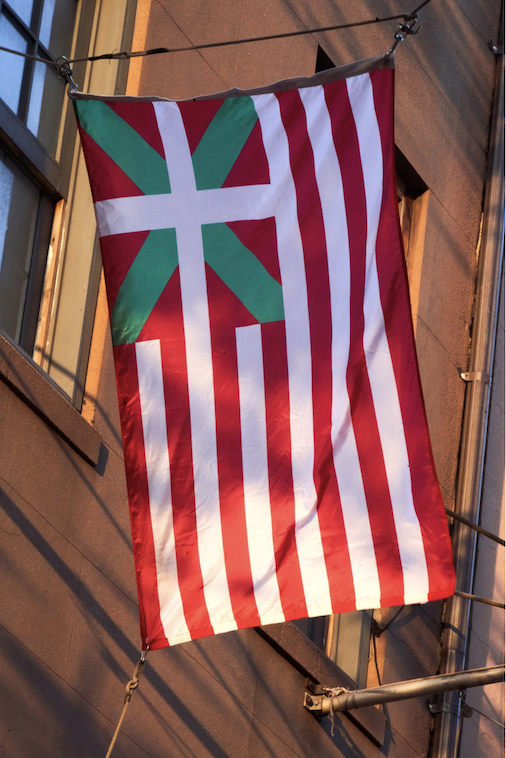
What you see here is not an Ikurrina, nor it is an American flag.
It’s both holding hands. This flag represents the Basques living in America. The hardiness and valor of those who came here. You can call it the American Ikurrina. A visual celebration of the way Basques have woven ourselves into the diverse American culture.

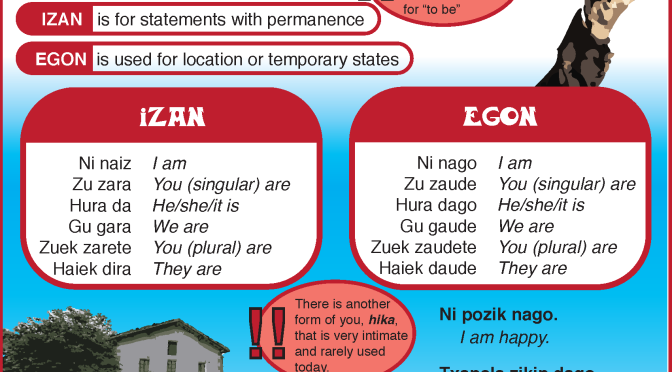
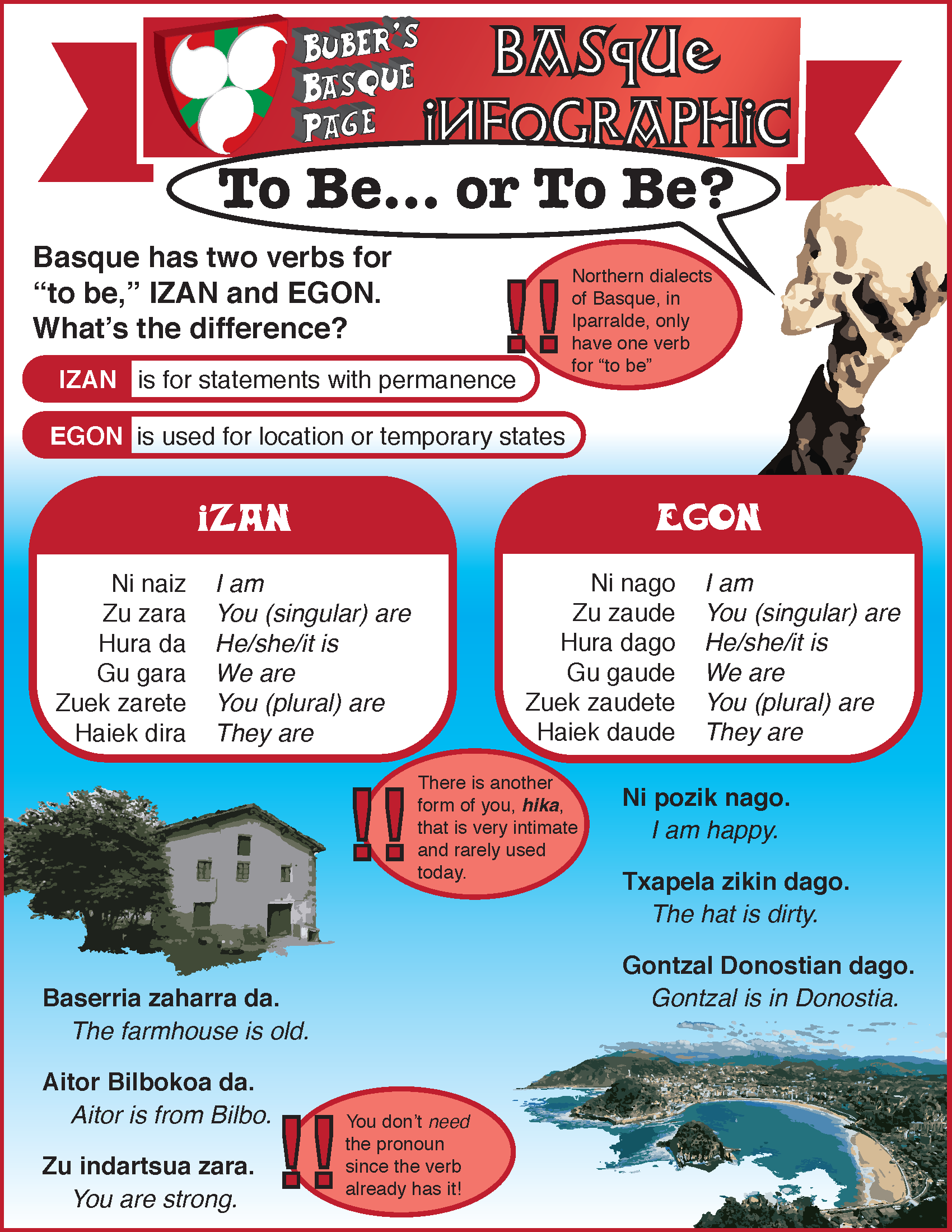
For an English speaker, one of the trickier things about Euskara is the verb for “to be.” Like in Spanish, there are two verbs that, in English, we would use to express “to be” – izan and egon. Interestingly, this only occurs in Hegoalde – in Iparralde, they only have one. To first order, izan is like Spanish ser and egon is like estar, but they aren’t fully interchangeable.
A full list of all of Buber’s Basque Facts of the Week can be found in the Archive.
Primary sources: izan, Wiktionary

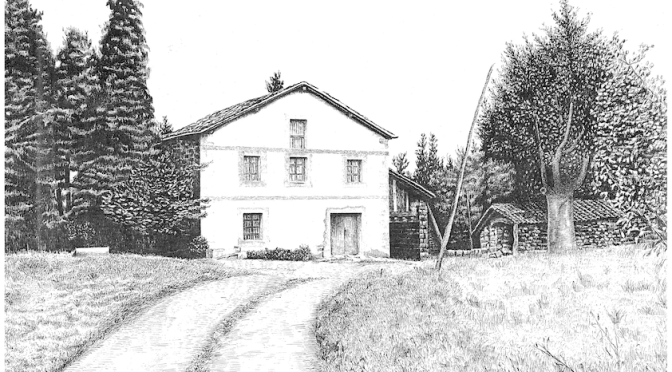
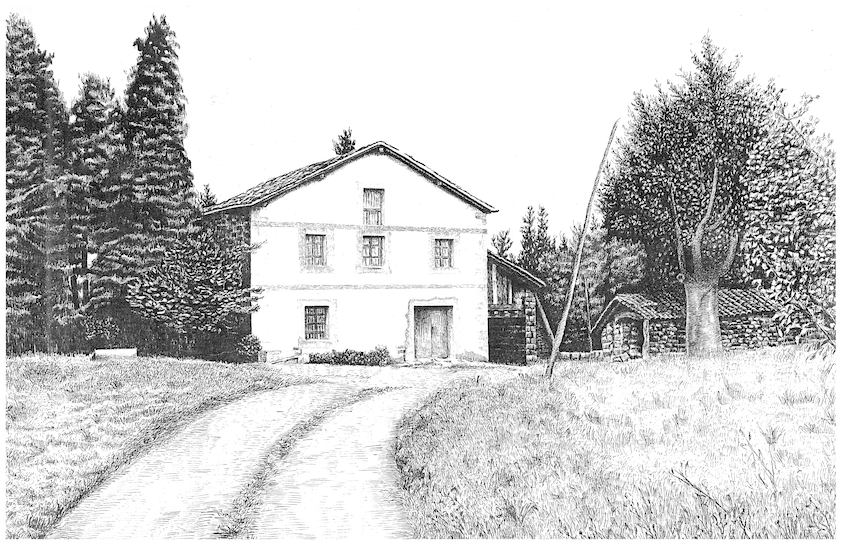
This is a drawing of the baserri Goikoetxebarri, which means the new house up above, where my dad was born. It sits on the edge of the village of Gerrikaitz, which today is incorporated with the town of Arbatzegi to form Munitibar, in the province of Bizkaia. It was the ancestral home of many of the Uberuagas that emigrated from the Basque Country to the United States, and maybe elsewhere.


The Olympics are nearly over. As I posted a few weeks ago, the Basque Country – including Euskadi, Iparralde, and Nafarroa – sent 43 athletes to the Olympic Games in Paris. How did they do? Some of the “big” names, like Chourraut and Rahm, didn’t do as well as hoped. However, including individual medals given to players in team sports, this Basque contingent won 8 medals! If we count team wins as only one medal (and to be fair, those would be “shared” with the rest of the teams they played with which included non-Basque athletes), the Basques won 1 individual medal and another 4 team medals. To put that in perspective, that as many as countries like Austria, Czechia, and Mexico won. In any case, all of these athletes gave their all and deserve a round of applause!
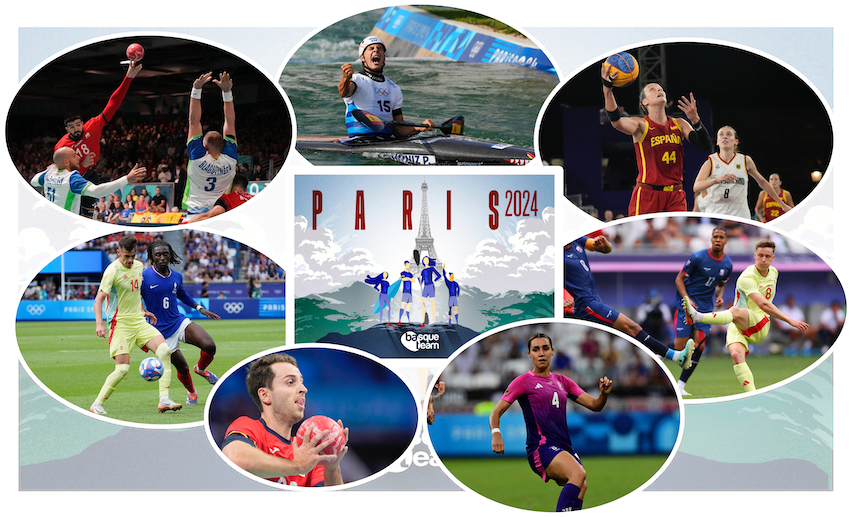
Here is a list of all Basque athletes and their achievements at the Paris Olympics.
A full list of all of Buber’s Basque Facts of the Week can be found in the Archive.
Primary sources: Official Site of the 2024 Paris Olympic Games; Comienzan los Juegos de París 2024 con 43 deportistas vascos y vascas, EITB.eus; 43 vascos en los Juegos Olímpicos de París, Deia.com
