Because of their mysterious origins, the Basques fascinate historians and linguists. Linguists try to reconstruct the prehistory of the Basque language in the hope of understanding where it came from. Geneticists examine the DNA of populations all over Europe to try to establish a link. While these efforts shed greater light on the origins of […]
Conducted in Summer/Fall 2008 Mikel Morris, an American with dual US/Spanish nationality living in Zarautz, Spain, has written the definitive Basque-English dictionary and is currently working on the Morris Magnum which promises to be the largest bilingual Basque dictionary in existence. In this first part of a multi-part interview, Mikel shares his thoughts and hard-hitting observations on […]
Conducted in Fall/Winter 2009-2010 Mikel Morris, an American with dual US/Spanish nationality living in Zarautz, Spain, has written the definitive Basque-English dictionary and is currently working on the Morris Magnum which promises to be the largest bilingual Basque dictionary in existence. In the first part of this interview, Mikel shared his thoughts and hard-hitting observations on the status […]
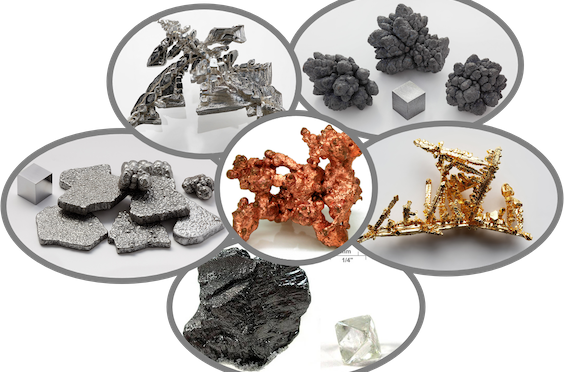
There are currently 118 elements on the periodic table. Maybe 10 were known to the ancients: copper, lead, gold, silver, iron, carbon, tin, sulfur, mercury, and zinc. Given the importance of these elements to metal working, it isn’t surprising to find that several of these have native words in Basque. As noted by linguist Larry […]
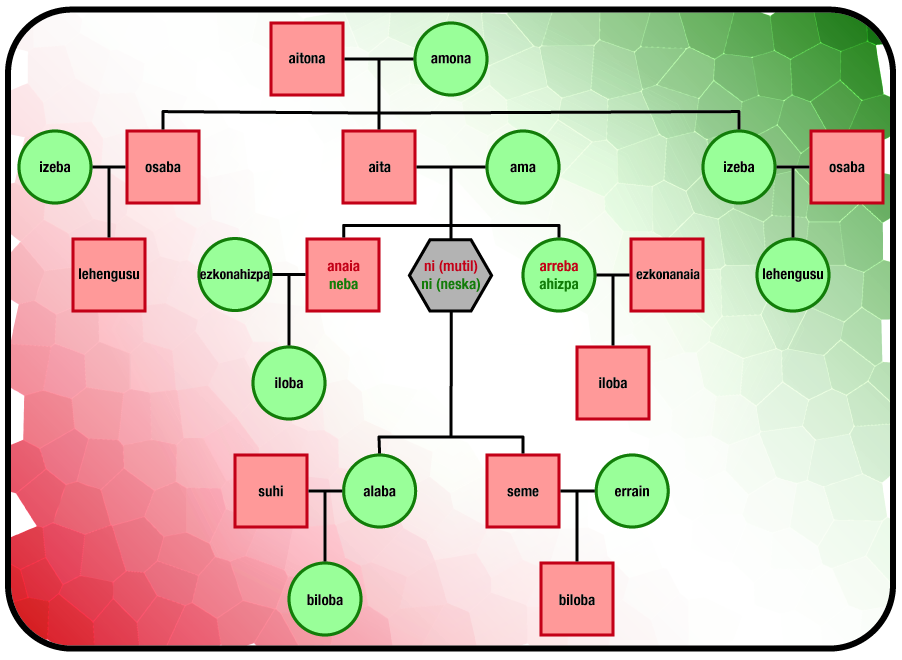
Magunagoikoetxea. Gorostiaga. Arroitajauregi. Bastarretxea. Basque last names are as distinct as they are complex, at least to an English tongue. It is only relatively recently that children took the names of their parents. Rather, Basques were often, though not universally, known by the names of their houses, which were in turn based upon the location […]
The idea of something being ’empty’ is typically a negative one. When the glass is half full, we are taking an optimistic view of the situation, but a glass that is half empty is certainly negative. The Basque language has similar connotations around the word huts. Possibly stemming from Neolithic times when an empty stomach […]
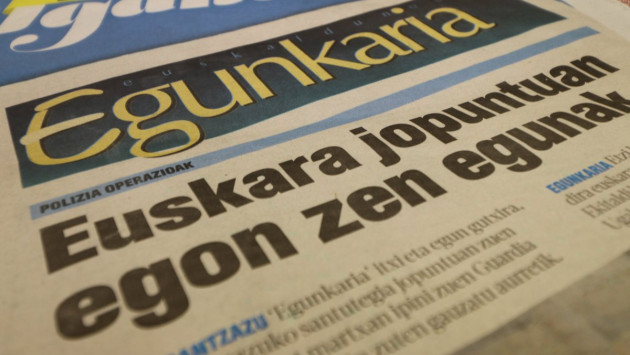
Today, if you go to the Basque Country, you will see Basque media pretty much everywhere. There is a Basque-language television station, a Basque newspaper (Berria), Basque radio stations, and Basque magazines. There are bookstores full of books written in Euskara. However, the concept of a daily newspaper written entirely in Basque is relatively new. […]
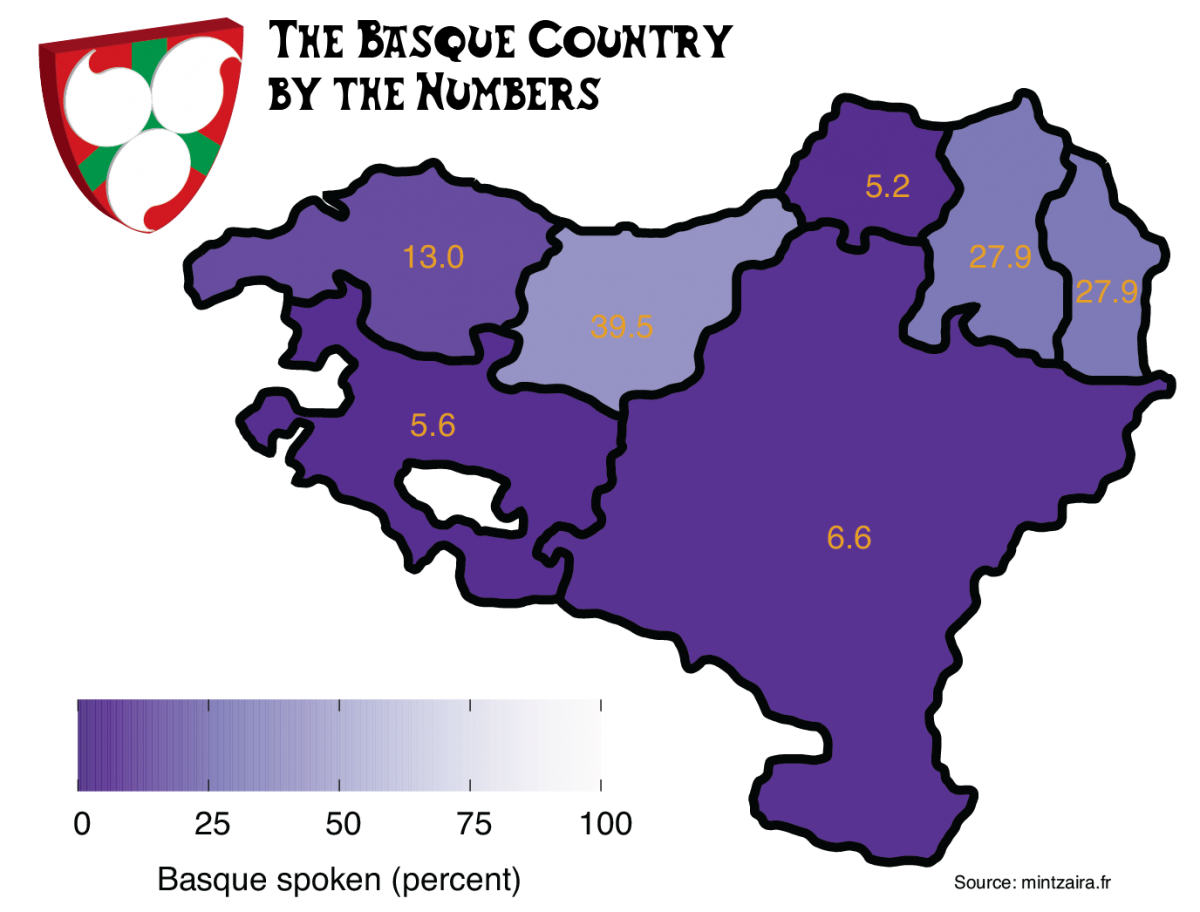
The percent of people who use Euskara as much as or more than another language. The numbers for Zuberoa and Nafarroa Beherea are shared. Source: https://www.mintzaira.fr/fileadmin/documents/Aktualitateak/015_VI_ENQUETE_PB__Fr.pdf
Did you know that the Basque Museum and Cultural Center had so many online resources? If you are interested in pursuing your genealogy, looking at the history of Basques in Boise and America more broadly, or wanting to learn a bit more about Basque culture, the Basque Museum has you covered. Taken from their most […]
In 2001 or so, the Basque television company ETB aired a series of videos about the Basque Country entitled Lau Haizeetara in Euskara and La Mirada Magica in Spanish. These videos, led by first Iñaki Pangua and later Edu Llorente, explored the land of the Basque Country from helicopter. From what I can tell (my Spanish is not […]